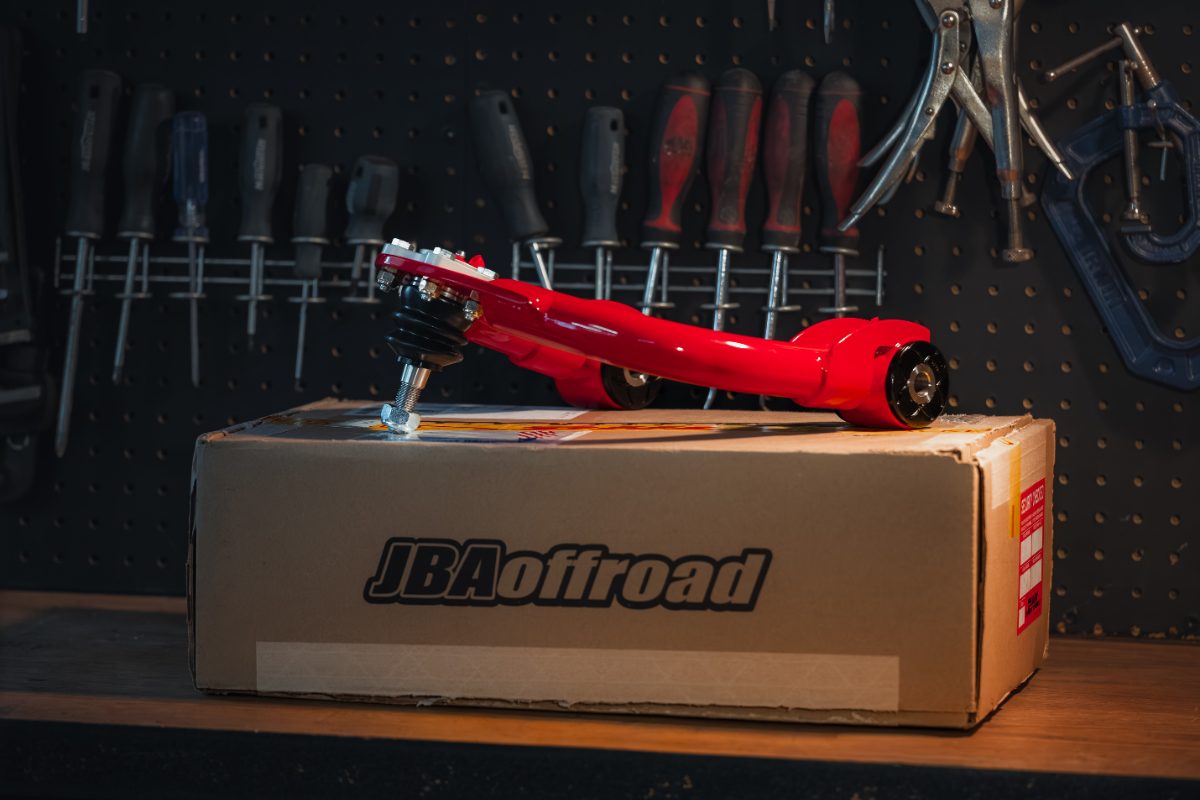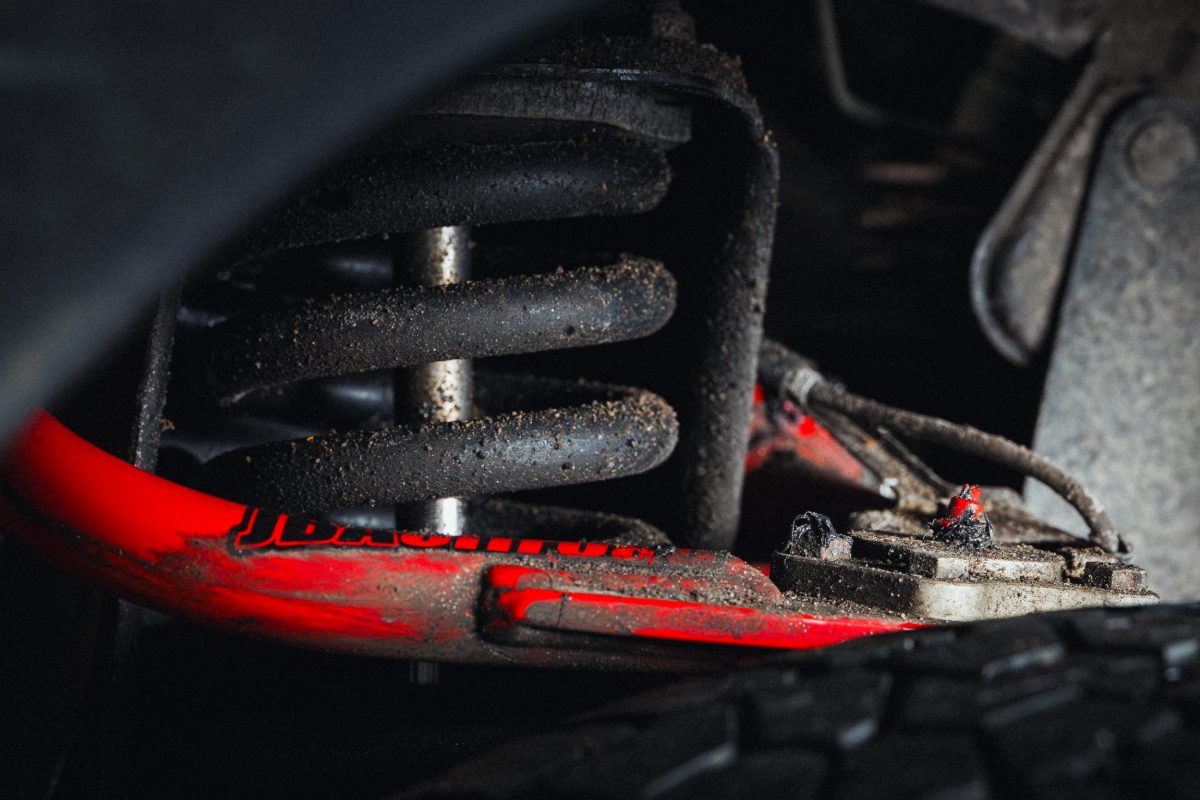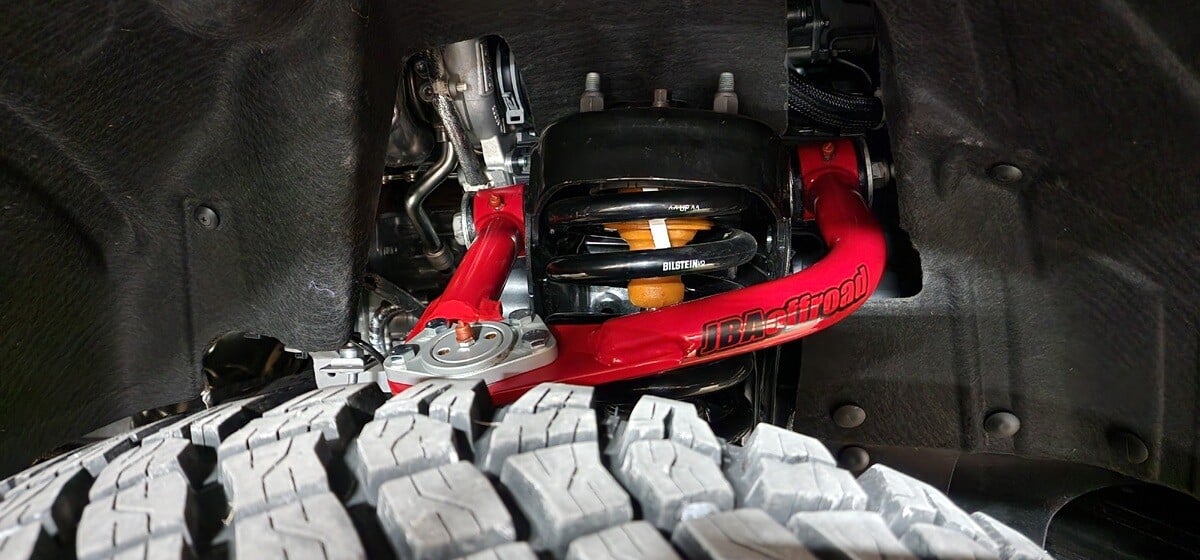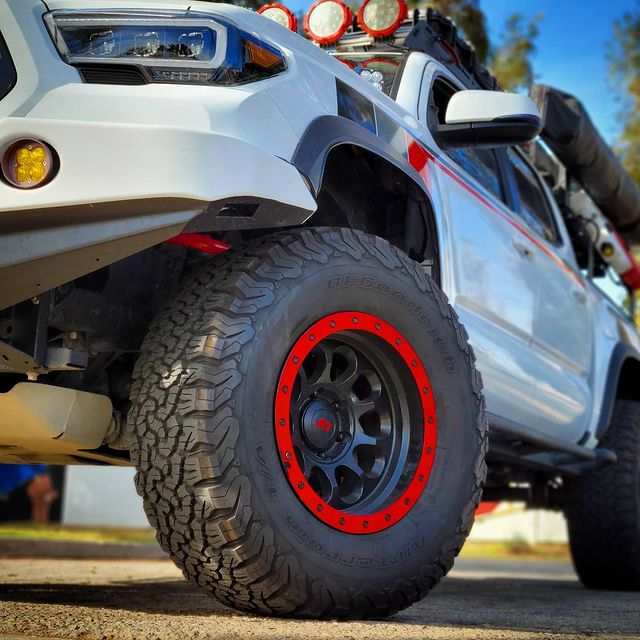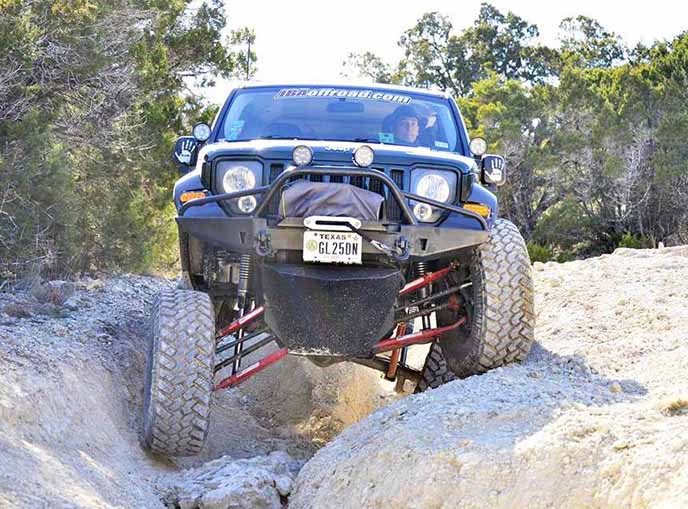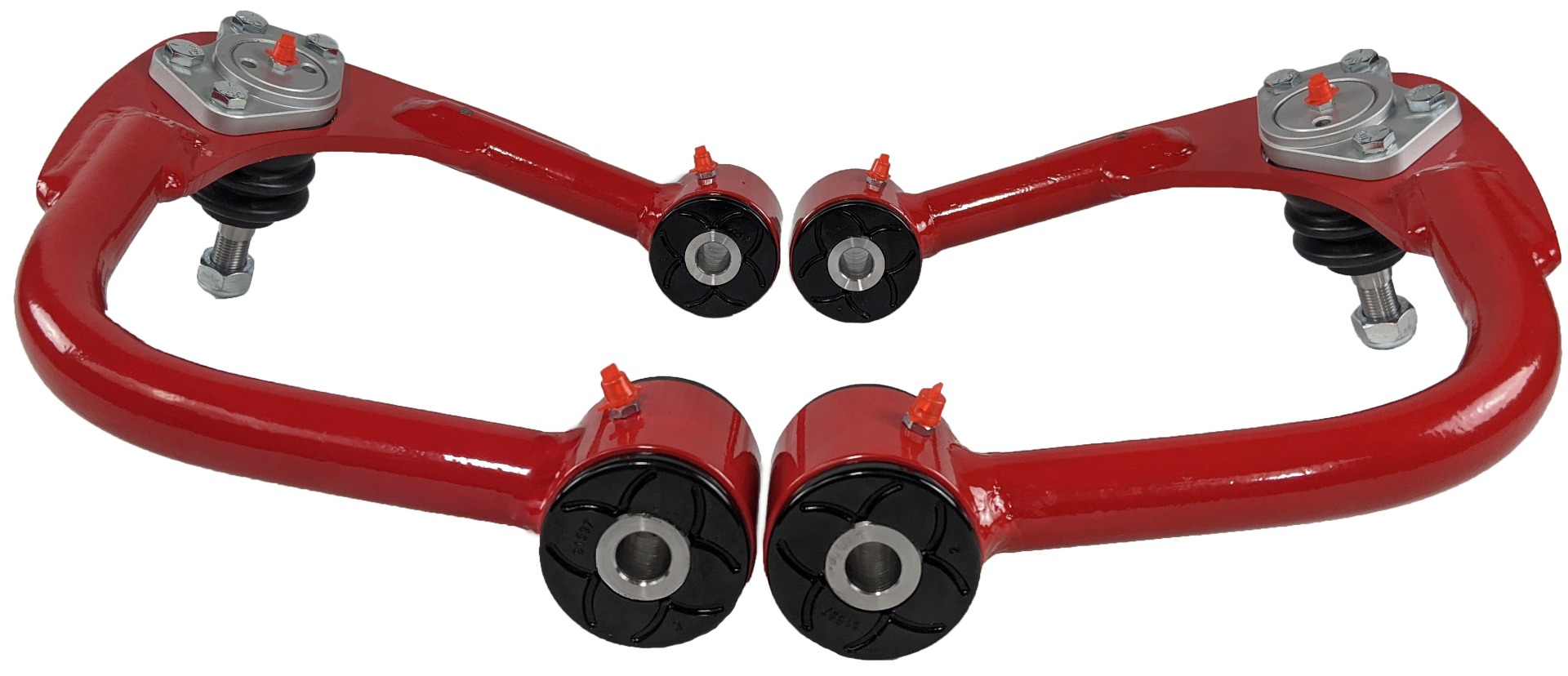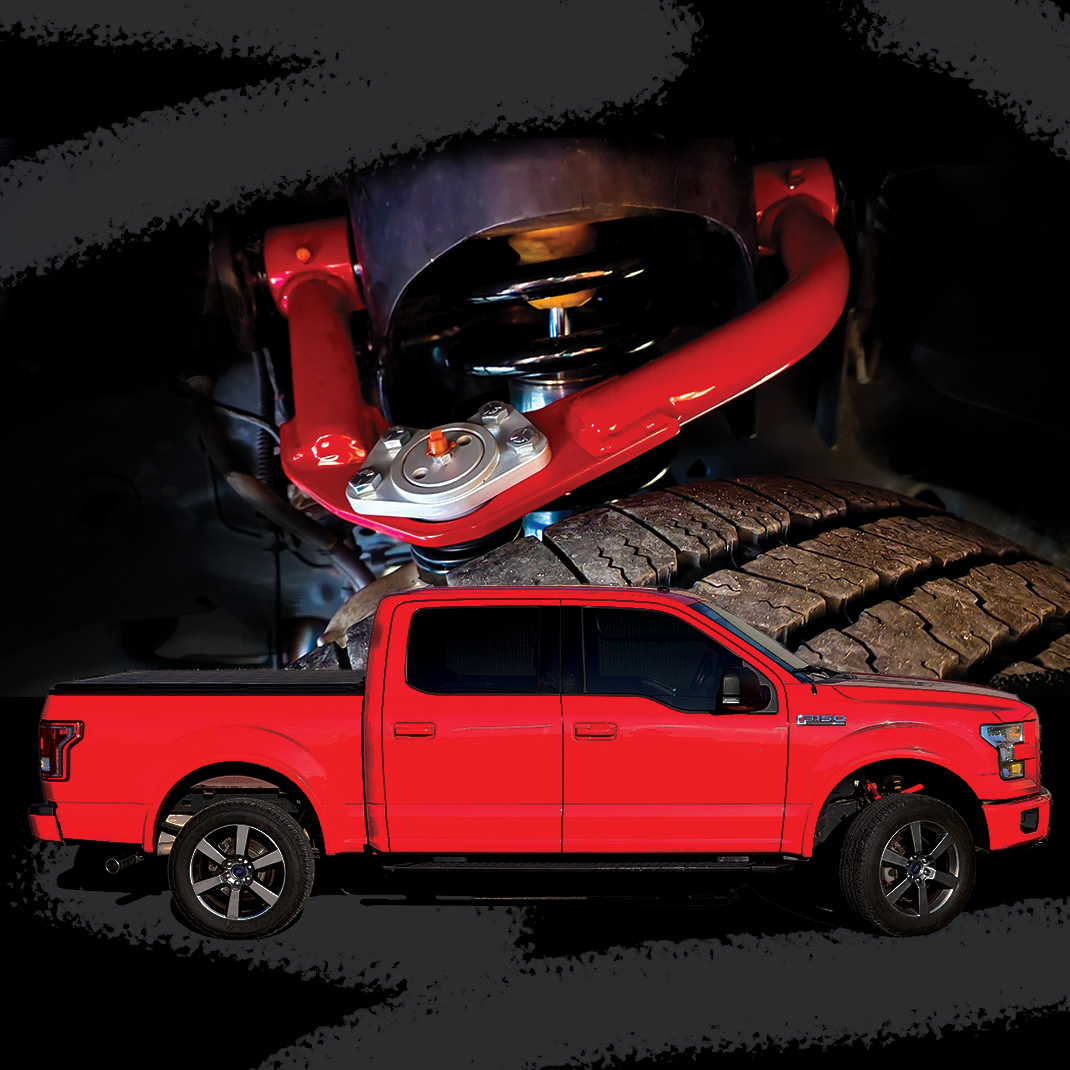

Alex Buhite's 2nd gen Tacoma has run five 24 Hours of Appalachia endurance rallies on the same JBA upper control arms. In July, nearly everything on the truck broke, except the arms.
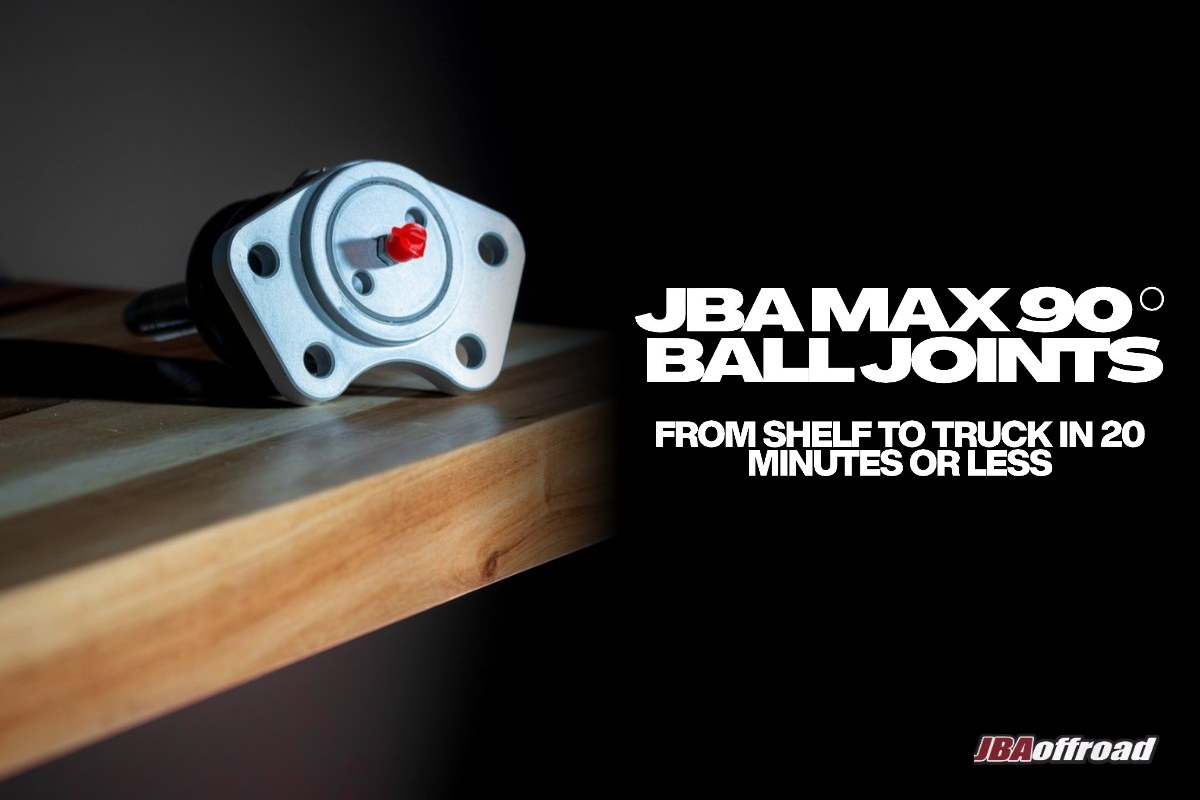
Every ball joint wears out eventually. Here are 7 ways JBA's replaceable Max 90 ball joints make that easier and save you money, from hand-tool swaps with no alignment to one spare that fits either side.
Most powder coat failures start with prep. Here are 5 steps that often get cut to save money, and the 10-stage process every JBA upper control arm goes through.
A control arm — also called an A-arm — is a suspension link that connects your vehicle's frame to the wheel hub or steering knuckle. It's a hinged part designed to let the wheel move up and down over bumps while keeping it correctly positioned side to side. Most modern trucks and SUVs with independent front suspension (IFS) use two control arms per side: an upper control arm
Upper control arm ball joints don't fail all at once; they wear gradually, and they'll usually give you plenty of warning before things get dangerous. The problem is that the warning signs are easy to dismiss or misattribute to something else. A clunk gets written off as road noise. A pull gets blamed on alignment. Tire wear gets chalked up to inflation pressure.
If you've been researching lift kits or suspension upgrades, you've probably run into the term "ball joint UCA," sometimes compared to "uniball UCAs," and wondered what the difference actually is and which one you need. It's one of those topics where the off-road community assumes you already know the basics, and nobody stops to explain from the beginning. So let's fix that.
If you've spent any time researching lift kits, you've probably run into the same recommendation over and over: upgrade your upper control arms. It's not just an upsell; aftermarket UCAs solve real problems that stock arms were never designed to handle, especially once you change your truck's ride height. Here's what they actually do better, and why it matters for your build.
At a glance, a stock upper control arm and an aftermarket one might look pretty similar, same general shape, same mounting points, same job on paper. But once you put them side by side, the differences in design, materials, and capability become obvious fast. If you're trying to decide whether to stick with OEM or upgrade, here's an honest breakdown.
When you're placing a bulk order for upper control arms, the question isn't just "how many?"Â it's "which ones?" Stocking the wrong fitment mix ties up capital in parts that sit on the shelf, while the applications your customers actually want are backordered. This guide breaks down which UCA applications tend to move fastest, and why, so you can build a smarter bulk order.