
What Is Control Arm Bushing Replacement and When Is It Necessary?
Control arm bushing replacement is the process of removing worn or failed rubber or polyurethane bushings from a suspension control arm and pressing in new ones. You need a replacement when bushings crack, tear, or become unevenly compressed, which can cause clunking noises, steering wander, or uneven tire wear.
A bad ball joint or worn bushing in your upper control arm shows up as clunking over bumps, uneven tire wear, steering wander at highway speed, vibration under braking, visible play when you jack the wheel, a pull to one side while braking, or a loose, disconnected feel over rough ground. These all come from the same root cause: the arm has lost its ability to hold wheel alignment (camber
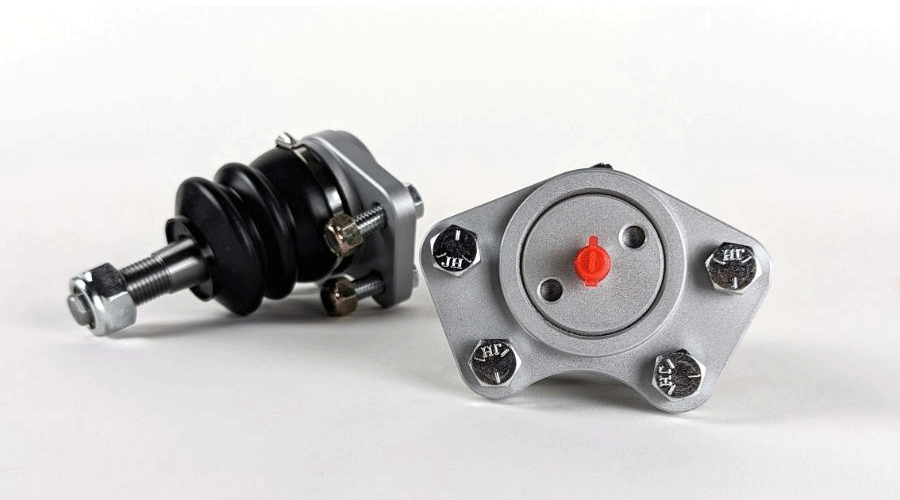
Control arm ball joint replacement involves removing a worn or damaged ball joint from the control arm and installing a new one, either by pressing out the old joint or replacing the entire control arm assembly. The process requires specialized tools and technical knowledge to maintain proper suspension geometry and vehicle safety.
This guide is for off-road vehicle owners and builders who need to
A complete JBA rebuildable upper control arm set runs $603 to $853 depending on your vehicle and lift type — that's the arm, the bushings, and the ball joint, all serviceable for the life of the truck. If you're comparing that to an OE (original equipment) or factory replacement arm: those are typically cheaper upfront, but they're a throwaway part — the whole arm gets replaced every time
Aftermarket Control Arms: The Foundation of a Proper Lift
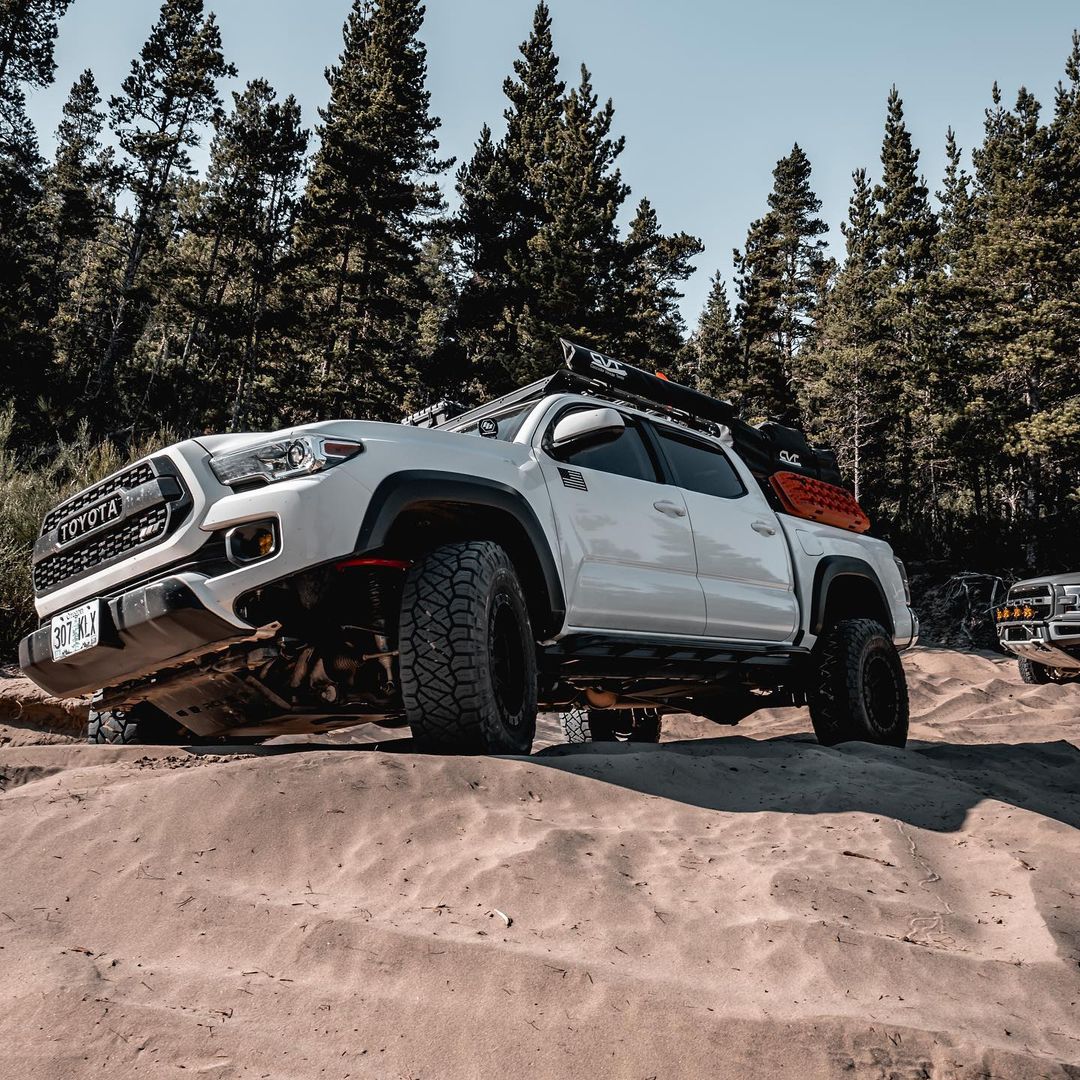
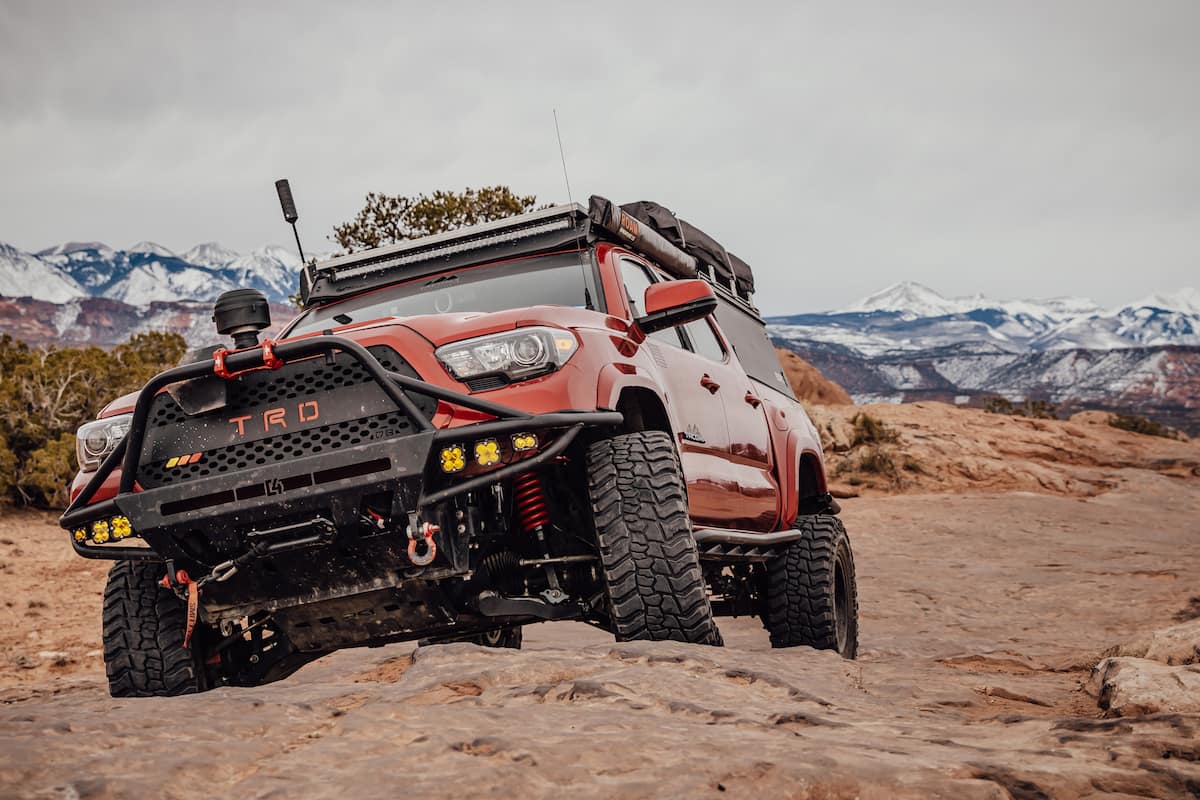
If you're planning a lifted build, you've probably already considered the impact bigger tires and a taller stance will have on your vehicle's off-road capabilities. However, there's a less visible, often unrecognized ingredient in every successful lift: aftermarket control arms.
Many offroaders lift their vehicles without considering suspension geometry, which is a leading cause of lifted suspension wear. Factory suspension systems are built for specific angles, and those angles change dramatically on a lifted truck or SUV.
As a result, suspension components work outside their intended range. Ball joints operate near their limits, bushings remain under constant preload,