
Aftermarket Control Arms: The Foundation of a Proper Lift
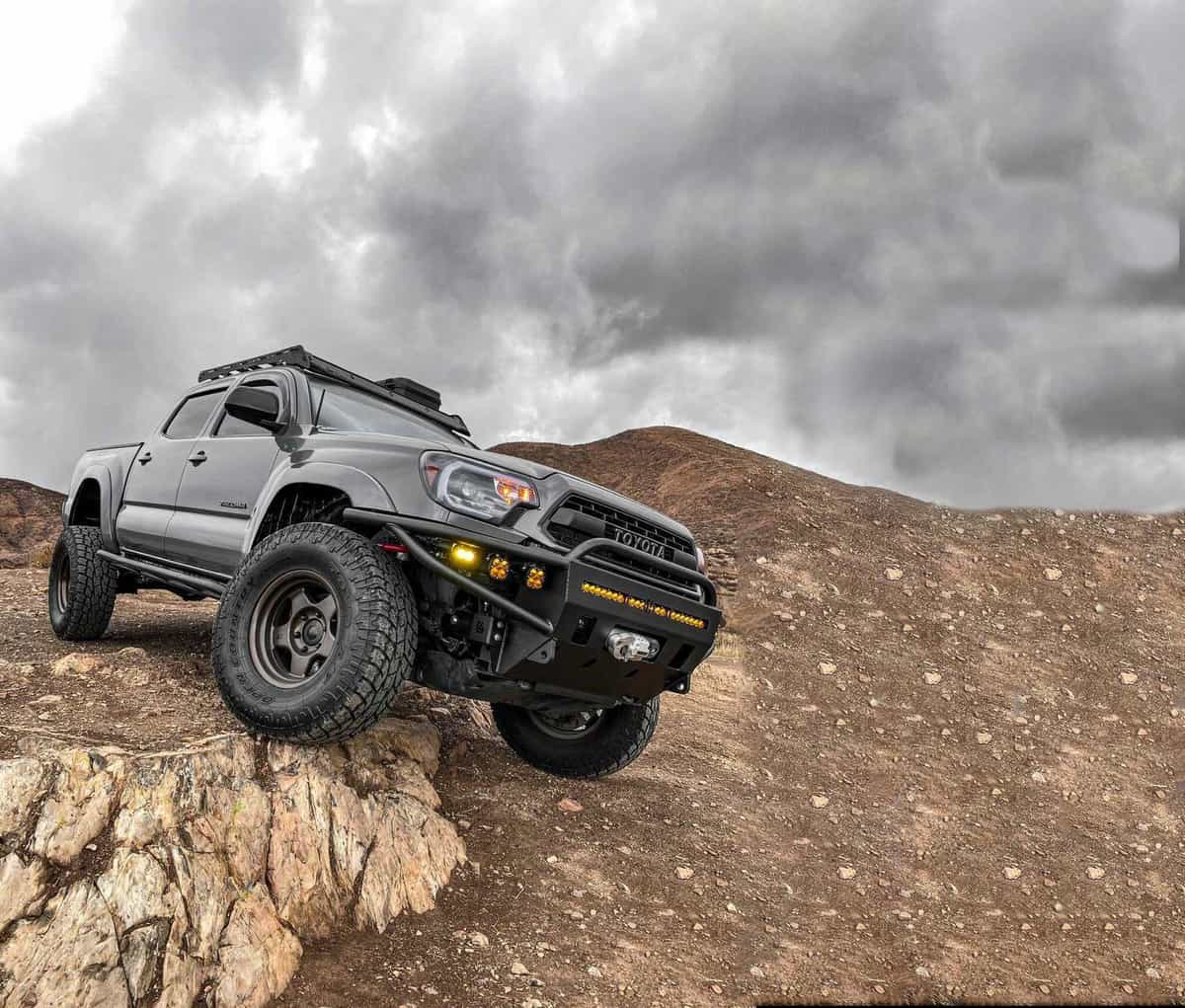
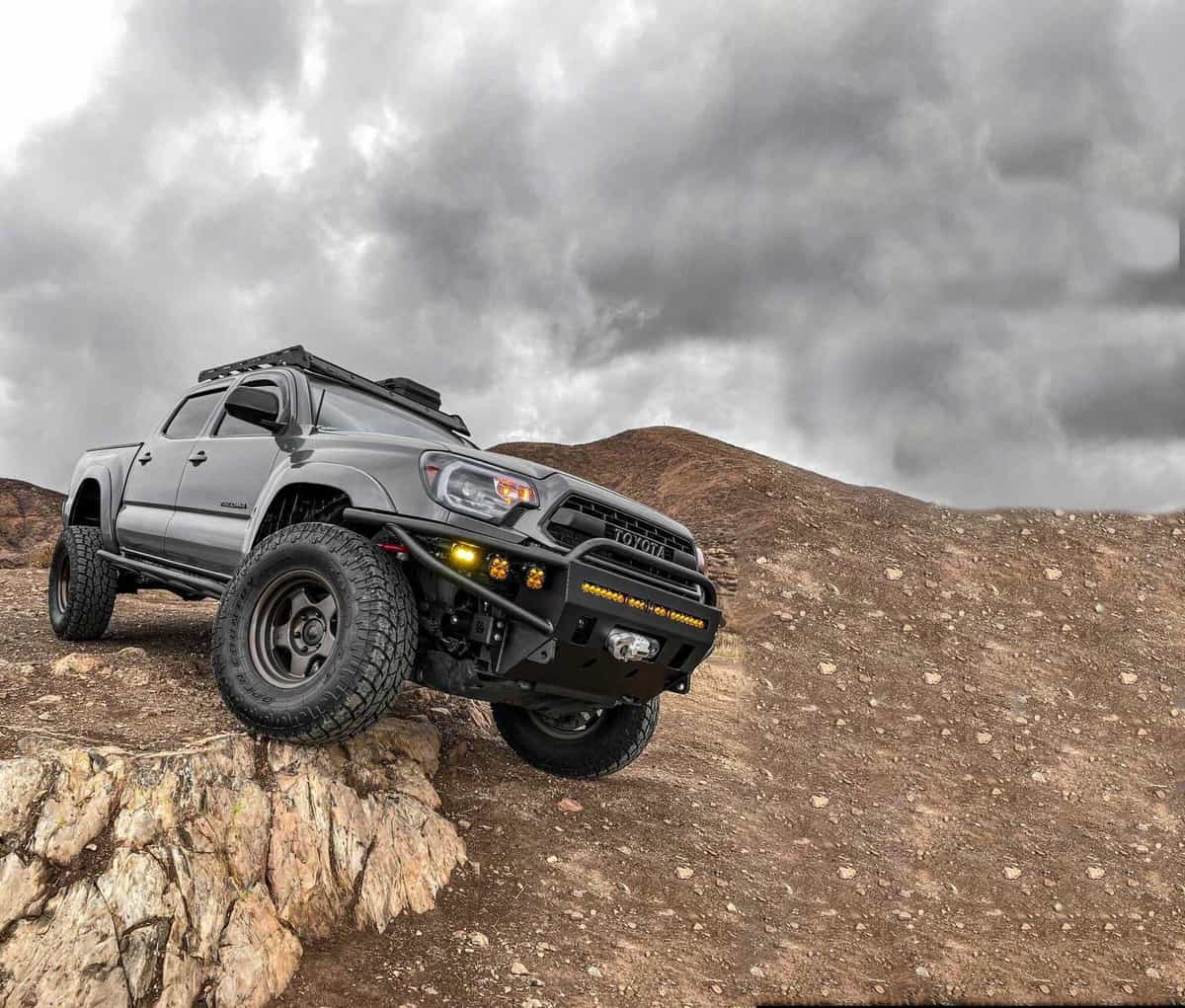
If you're planning a lifted build, you've probably already considered the impact bigger tires and a taller stance will have on your vehicle's off-road capabilities. However, there's a less visible, often unrecognized ingredient in every successful lift: aftermarket control arms.
Aftermarket control arms are a frequently forgotten off-road handling upgrade that majorly influences how your build performs. These essential parts may not seem as exciting as lift kits, new wheels, and extra-large tires, but they'll directly determine how well your vehicle handles tough terrain and improve the durability of your entire suspension system.
What Control Arms Actually Do in a Suspension System
Your vehicle's suspension system connects the wheels to the frame and contains multiple components that allow the wheels to move up and down over uneven terrain. Without adequate suspension, your vehicle will struggle to maintain contact with the road, leading to bumpiness and steering and braking control issues.
Control arms fit into this system by linking the wheel hub to the vehicle's chassis, enabling proper wheel motion, positioning, and alignment. They allow better control over your build's movement, enhancing safety and performance.
Upper Control Arms are often overlooked. Frequently, off-roaders don't notice the importance of this component until they've already lifted their vehicle and start noticing durability or handling problems.
Factory control arms are designed for stock ride height, which means they're engineered to allow the suspension system to move within an intended range at that height. When you lift the build and leave the factory arms in situ, the suspension angles change. These changes push the system beyond its intended operating limits, leading to wear and tear and reducing performance.
Installing aftermarket control arms engineered for lifted builds repositions the suspension angles, restoring a normal range of motion. You'll likely notice several control arm benefits after making the upgrade, from reduced wear and tear to better control.
Alignment Correction, Suspension Geometry, and Tire Wear
Alignment correction and suspension go hand in hand. When your suspension geometry is out of whack, your wheels may shift out of their intended position. Poor geometry also reduces the amount of wiggle room available to adjust your wheel alignment, making it difficult to fix the issue while you still have factory control arms in place.
Poor wheel alignment can lead to a slew of problems, including sideways drifting, unpredictable steering, and uneven tire wear. Fortunately, aftermarket control arms can resolve these problems, restoring a normal adjustment range. All this adds up to better straight-line tracking, safer steering, and fewer trips to the auto shop for replacement tires or wheel realignment services.
How Aftermarket Control Arms Improve Stability On and Off the Road
Lifted suspension geometry also affects how your vehicle feels while driving. Without the right off-road handling upgrades, a lifted vehicle can feel wandery, loose, and less planted on the ground. That's because incorrect suspension geometry prevents your wheels from moving up and down properly as you travel over uneven surfaces, reducing road grip. It can also influence how the weight of your vehicle shifts when you brake or corner.
At best, these problems can make your build less enjoyable to drive. At worst, they can prevent you from maintaining proper control, potentially leading to safety concerns.
When you install aftermarket control arms, your wheels will become more able to move independently when you tackle challenging trails. This change increases traction, giving you more reliable contact with the road and enhancing control. Braking and cornering become more predictable, preparing your build to handle even the roughest terrain.
Why Experienced Builders Upgrade Control Arms Early
Experience changes how off-roaders think about build lifts. While first-timers sometimes focus on the most visible upgrades first, veteran builders know hidden elements matter too. By considering your suspension system as a whole, you can ensure you lift your vehicle right the first time and avoid common post-lift frustrations like:
-
Frequent wheel alignments
-
Worn-out tires
-
Handling problems
-
Faulty suspension components
That's why experienced builders consider installing aftermarket control arms at the very start. Upgrading from factory control arms often simplifies the lifting process, allowing you to avoid additional labor later on.
The Long-Term Value of Correct Suspension Geometry
Upper Control Arms are foundational to a well-balanced lifted build, improving your suspension system's health and reducing the need for replacement parts. JBA is your go-to supplier for high-quality aftermarket control arms that stand the test of time. Explore our range to discover the best option for your lifted vehicle.