
Suspension Geometry Correction for Lifted Vehicles
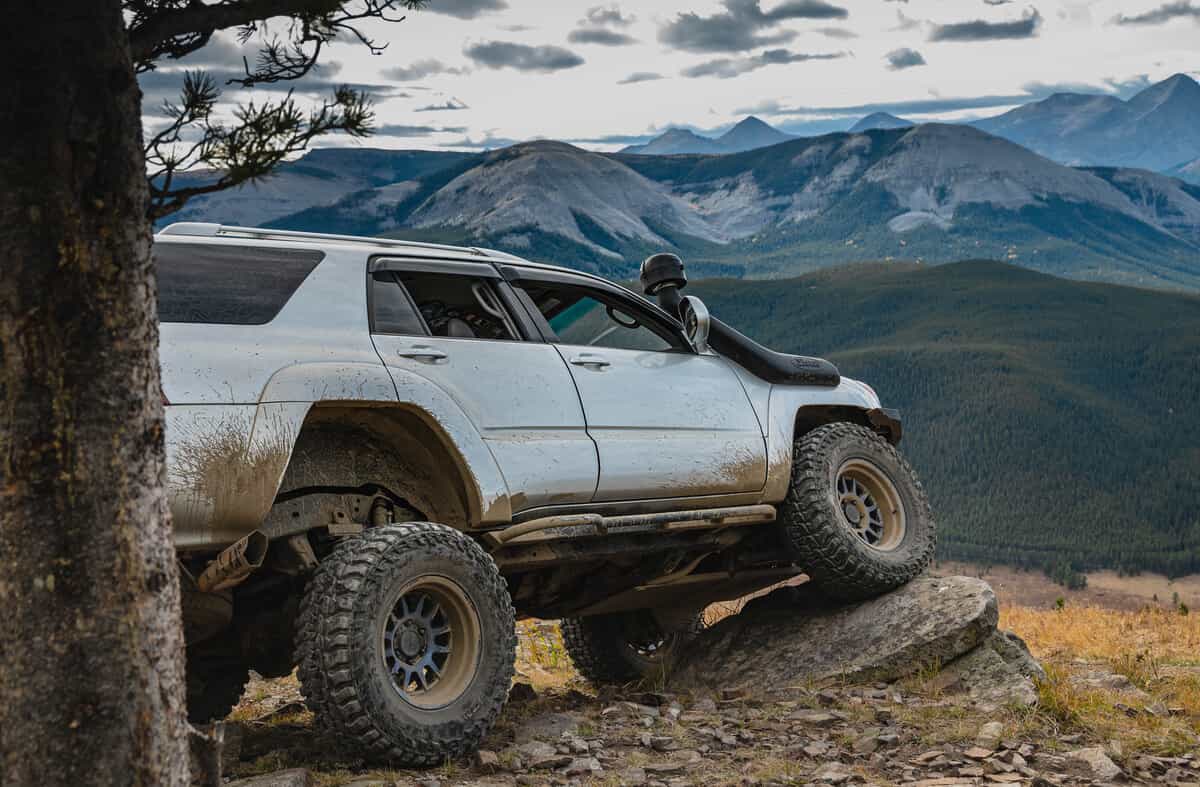
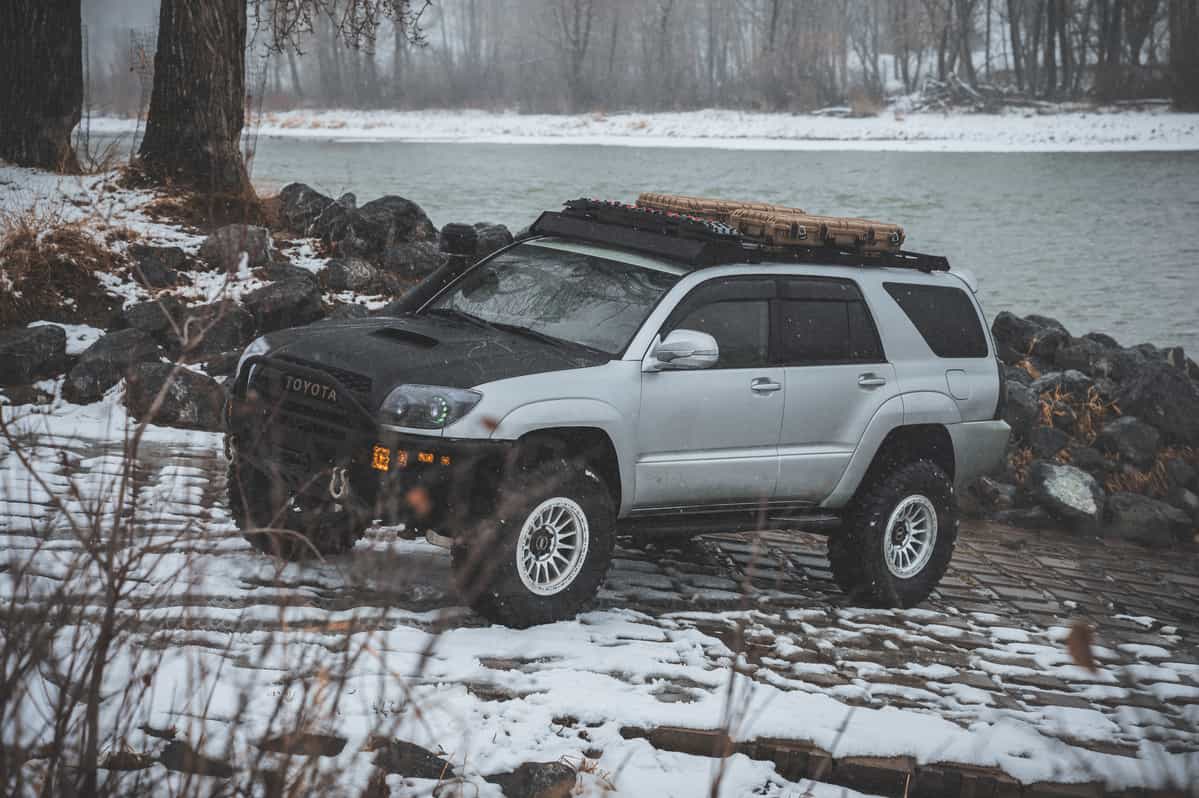
Lifting a vehicle improves ground clearance and trail capability, but it also changes how the suspension works. When suspension angles change, alignment alone can only compensate so much. Without proper suspension geometry correction, lifted vehicles may feel unstable at highway speeds, resist returning to center after turns, or wear components faster than expected.
Many drivers turn to JBA Offroad's Alignment & Control Arms collection after noticing vague steering, reduced straight-line stability, or uneven tire wear following a lift. These issues aren’t signs of a bad install — they’re the result of factory suspension geometry being pushed outside its intended range. Correcting the geometry (not just the alignment) helps restore control, predictability, and long-term suspension performance.
Why Lifted Vehicle Alignment Alone Isn’t Enough
A proper alignment is important after a lift, but it can only be adjusted within the limits of factory suspension geometry. Once those limits are exceeded, alignment alone can’t fix how the suspension actually functions. Here’s a closer look at why:
-
Factory alignment specs assume stock geometry: Lifted vehicles operate outside the angles the suspension was designed around, even if alignment numbers appear acceptable.
-
Caster range becomes limited: Lifted suspensions often lose usable caster, leading to wandering steering and poor return-to-center that alignment adjustments can’t fully correct.
-
Control arm angles are no longer optimal: Misaligned control arm geometry affects handling, stability, and suspension travel, regardless of alignment settings.
-
Components operate under added stress: Ball joints, bushings, and tires wear faster when suspension geometry isn’t properly corrected.
-
Alignment doesn’t restore suspension function: Alignment adjusts angles on paper, but it doesn’t reposition components to where they work best in real-world driving and off-road conditions.
Suspension geometry correction solves these issues by restoring proper control arm positioning and caster angles, allowing the suspension to function as intended — on pavement, on trails, and everywhere in between.
How Caster Correction Improves Steering and Stability
Caster impacts how a lifted vehicle feels behind the wheel. When caster is reduced after a lift, steering can feel light, unpredictable, or slow to return to center. Correcting caster restores stability and confidence, especially at highway speeds.
More specifically, proper caster correction improves performance in several key ways:
-
Improves straight-line tracking: Increased caster helps the vehicle hold a steady line instead of wandering or requiring constant steering input.
-
Enhances return-to-center: The steering wheel naturally re-centers after turns, reducing driver fatigue and improving control.
-
Adds steering stability at speed: Higher usable caster creates a planted feel on pavement and during long-distance driving.
-
Maintains control on uneven terrain: Correct caster keeps the front tires working together, improving predictability over ruts, rocks, and off-camber sections.
-
Supports larger tires and lifted setups: Proper caster helps counter the added leverage and weight that come with bigger tires and suspension lifts.
Control Arm Engineering and Its Role in Off-Road Handling
Control arms play a critical role in how a vehicle handles, both on the road and on the trail. They control suspension movement, maintain tire contact, and help keep steering predictable under load.
When a vehicle is lifted, factory control arms are often forced to operate outside their intended range, which can limit articulation, affect alignment, and reduce overall stability. That’s why properly engineered control arms are essential for maintaining control and confidence in lifted setups.
-
Restored suspension geometry: Engineered control arm angles correct caster and ball joint positioning, allowing the suspension to cycle smoothly through its full range of travel.
-
Improved wheel travel and articulation: Proper joint placement and clearance help the suspension move freely over obstacles and uneven terrain.
-
Stronger materials for real trail use: High-strength steel construction and reinforced mounting points increase durability under load and impact.
-
Better alignment retention: Precision-built replacement parts hold alignment settings more consistently, even after repeated off-road use.
-
Reduced stress on wear components: Correct geometry helps extend the life of ball joints, bushings, and tires by keeping forces evenly distributed.
Suspension Geometry Correction for Long-Term Suspension Health
Lifting a vehicle places new demands on the suspension. Steering angles change, loads shift, and components are asked to work outside their original design. Without correcting suspension geometry, those changes show up in handling, stability, and long-term wear.
Suspension geometry correction brings the system back into a usable range. Proper caster supports stable steering, while engineered control arm angles maintain consistent tire contact and predictable suspension movement. The result is a reliable vehicle that drives with confidence, whether you're staying on pavement or navigating uneven terrain off the road.