
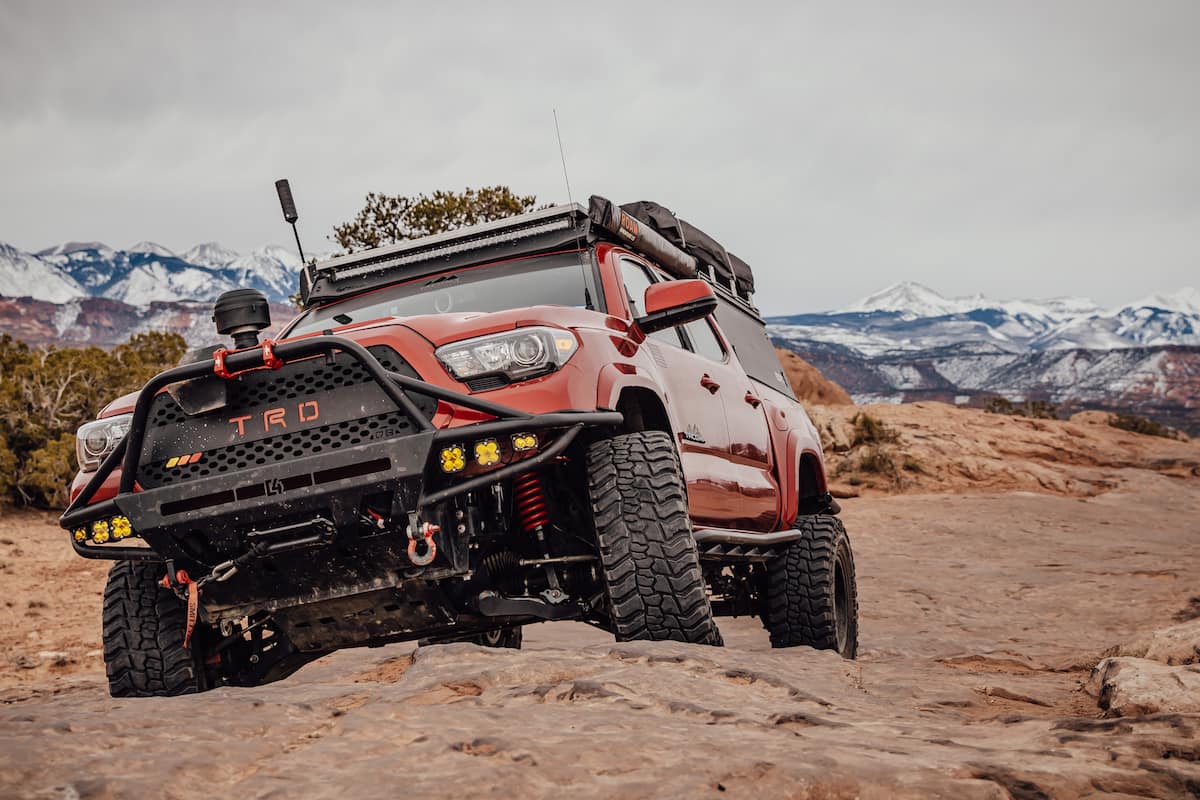
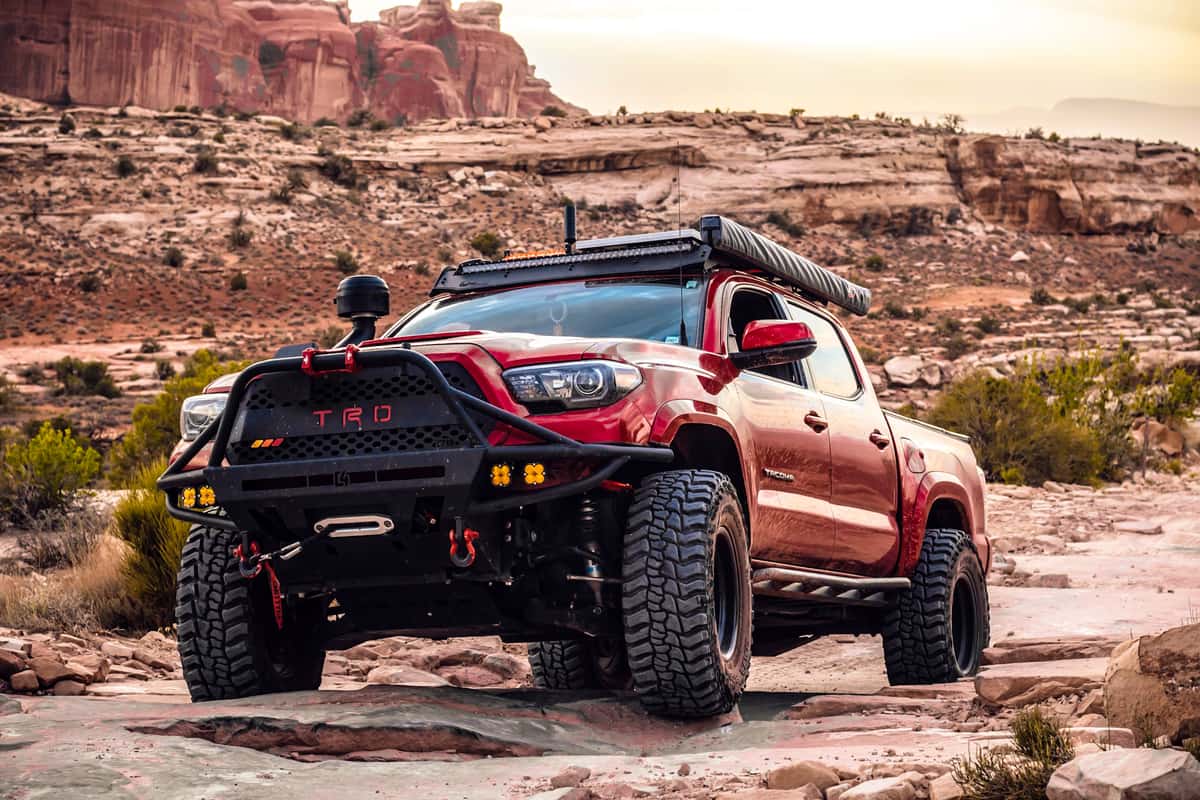
Winter roads can be tough on suspension systems. Plummeting temperatures and potholes put added stress on components, while road salt can accelerate wear. As spring approaches and trail use increases, winter wear can expose underlying issues. A trail-ready suspension starts with evaluating how your system handled winter conditions and whether alignment and geometry need adjustment.
Before heading off-road, taking a closer look at the components that do the real work is essential.
Why Off-Road Alignment Matters Before Trail Season
Many drivers mistake alignment as a comfort issue when it's much more than that. Performance and durability are also at stake if alignment is off, making this adjustment matter. With a lifted rig, factory alignment angles can change significantly. From caster to camber, alignment angles can move outside their optimal ranges, even if the truck appears to be driving fine on pavement.
Out on the trail, misaligned components show up quickly. For example, reduced caster can affect steering return and stability on uneven surfaces. Incorrect camber can limit tire contact during articulation.
Investing in proper alignment or replacement parts before trail season improves control and reduces unnecessary strain on joints and bushings. Components like JBA's upper control arms are often key to restoring proper geometry on lifted vehicles, especially when factory arms no longer provide sufficient adjustment range.
Suspension Setup Tips for Changing Terrain
Street driving and trail driving place very different demands on a suspension system. Pavement driving favors predictability and consistent steering response. Trail driving demands controlled movement and the ability to absorb irregular loads without causing binding or deflection.
When your suspension is solid, both are balanced. That means choosing dependable joints that move smoothly under load and arms that maintain alignment through suspension travel.
Tubular steel arms with properly sized wall thickness provide the strength needed to resist uneven loading. High-quality joints reduce noise and wear while allowing the suspension to cycle cleanly. These are the essential details that separate true trail-ready and capable setups from those that simply look the part. Reviewing suspension components as a system rather than individual upgrades helps to ensure everything works together.
Lifted Truck Prep for Dirt, Rocks, and Ruts
Ride height isn't the only consideration when prepping a lifted truck. Increasing suspension travel changes how loads move through the chassis, steering, and drivetrain. Without the right supporting components, those loads can lead to premature wear or damage.
One issue that we see a lot is ball joint and bushing wear caused by operation outside of the intended angles. Another common problem is reduced wheel travel due to binding at full droop or compression. Both problems can impact traction and increase component wear and tear over time.
This is where vehicle-specific fitment comes into play. A suspension designed for a Jeep platform won't behave the same way on a Ford or Toyota, for example. Proper fitment tailored to the rig ensures joint angles and travel limits are engineered for the platform. Workarounds aren't an option here and will affect performance and the longevity of components.
Building Confidence With a Trail-Ready Suspension
Confidence off-road is all about predictability. When the suspension behaves consistently, the driver can focus on line choice instead of correcting unexpected steering or body movement. It all comes down to controlled geometry and durable materials.
Trail-tested components are engineered to handle uneven terrain while maintaining on-road stability and comfort. That balance matters when the same vehicle has to perform predictably on the highway during the week and on the trail when conditions get rough.
Be Prepared Before the Trail Tests You
Spring off-road readiness is about preparation, not reaction. A suspension that survived winter doesn’t automatically mean it’s ready for taking on rocks and ruts. Joint condition and alignment deserve attention before the first trail day of the season rolls around.
Investing in a trail-ready suspension means choosing components that are engineered for real loads and real use. When each part is designed to work as part of a system, the result is predictable handling and confidence that holds up long after the trail ends.
Before the trail exposes weaknesses, make sure your suspension is built to handle them. JBA Offroad’s suspension components and upper control arms are engineered to restore control and stand up to real off-road use, so your rig is ready for whatever the season brings.