
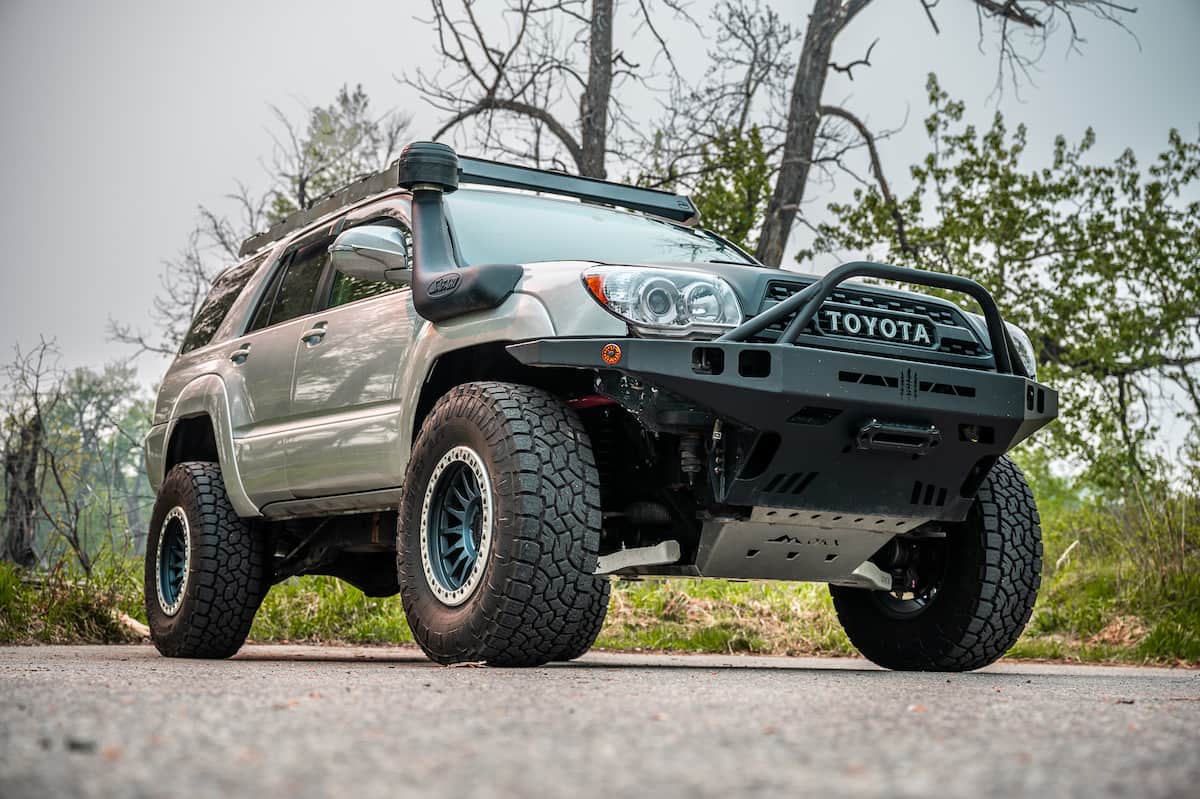
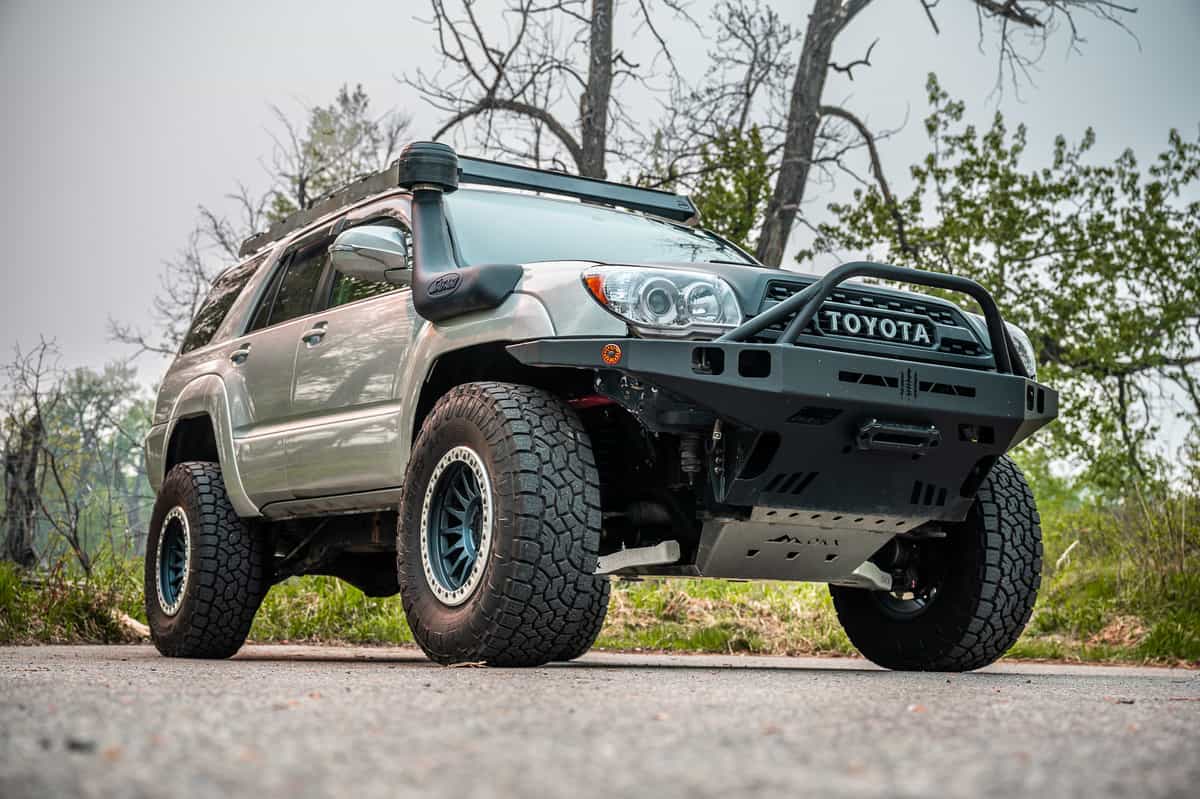
Off-Road Suspension Inspection Before Trail Season
When it comes to trail season, it's critical that your vehicle's various parts are in top-notch shape. JBA Offroad designs suspension components engineered for real-world trails. That being said, even the most durable components face added stress during winter.
Freezing temperatures stiffen bushings, moisture leads to corrosion, and road salt speeds up deterioration on metal parts and hardware. Over time, that wear can affect alignment and reduce suspension travel.
One of the best ways to prevent these problems is with a comprehensive off-road suspension inspection. By making suspension checks part of your pre-season off-road prep, you can ensure your vehicle is ready for real-world trails, not just pavement.
Common Control Arm Wear Signs to Watch For
Upper Control Arms (UCAs) are a key link between your frame and your wheels. They allow the suspension to move up and down while keeping your tires positioned correctly under the vehicle.
Because they handle constant load, steering input, and suspension movement, control arms and their bushings wear over time. Winter conditions can speed that up by exposing components to moisture, salt, and temperature swings.
You can catch these issues early by looking for these common control arm wear signs:
-
Clunking or knocking over bumps: Worn bushings or ball joints allow extra movement, which causes suspension parts to shift and make noise as you drive over uneven surfaces.
-
Loose or wandering steering feel: If your vehicle feels less stable or needs constant small corrections, worn control arms may be allowing unwanted changes in suspension geometry.
-
Uneven or rapid tire wear: Control arms help hold proper camber and caster angles. When components wear, alignment can drift and tires wear faster than normal.
-
Vehicle pulling to one side: A worn control arm can shift alignment enough to cause drifting, even on flat, straight roads.
-
Visible cracks or separation in bushings: Rubber bushings can dry out, split, or deform after repeated stress and winter exposure.
Trail Readiness Prep That Prevents Failures
Another way to help catch small issues before they grow is through proper trail readiness prep. A little time in the garage now can mean fewer surprises when you’re miles from pavement. Key trail readiness checks include:
-
Inspecting suspension bolts and hardware: Make sure mounting bolts on control arms, shocks, and brackets are torqued to spec and show no signs of stretching or corrosion.
-
Checking UCAs for play or damage: Look for worn bushings, loose ball joints, or contact marks that could signal alignment or clearance issues.
-
Examining bushings across the suspension: Cracked, dry, or deformed bushings can affect handling and allow excess movement under load.
-
Looking for fluid leaks from shocks or struts: Leaking dampers lose their ability to control movement, which reduces stability and comfort on rough terrain.
-
Checking tire condition and pressure: Uneven wear can signal suspension or alignment problems. Proper pressure supports handling and reduces strain on components.
Suspension Maintenance Checklist for Off-Road Vehicles
After completing your inspection and spotting any visible wear, the next step is staying ahead of future issues. Regular upkeep can prevent small problems from turning into trailside repairs. A proactive suspension maintenance checklist helps ensure every component continues to perform the way it was engineered to, whether you're commuting during the week or loading up for a weekend off-road trip.
Key maintenance tasks include:
-
Torque-checking all suspension hardware: Reconfirm that bolts on control arms, shocks, and mounting brackets are tightened to spec.
-
Inspecting UCAs for wear: Look for bushing deterioration, ball joint play, or signs of contact with other components.
-
Checking lower control arms and mounting points: Watch for bent metal, worn bushings, or shifting at the frame mounts.
-
Examining ball joints and tie rod ends: Check for torn boots, grease loss, or looseness that can affect steering response.
-
Inspecting shocks for leaks or dents: Fluid leaks or damaged housings reduce damping performance and ride control.
When Off-Road Suspension Inspection Becomes an Upgrade Opportunity
An off-road suspension inspection can reveal more than worn parts. It can show where your current setup is limiting performance. Instead of only replacing what’s damaged, consider upgrades that improve handling, durability, and overall trail capability.
Common upgrades include stronger struts and shocks for better control, improved tires and wheels for traction and clearance, and upgraded UCAs to restore alignment. These improvements help your vehicle feel more stable on rough terrain and more predictable on the road.
JBA Offroad suspension components are engineered for real-world trails. Designed for long-term reliability, they help you spend less time fixing issues and more time driving.