
A failing 2011 Chevy Silverado uppercontrolarm produces clunking noises over bumps, causes uneven tire wear, and creates steering instability at highway speeds. These symptoms stem from worn bushings, loose ball joints, or bent arm structures that no longer maintain proper wheel alignment or absorb suspension loads.
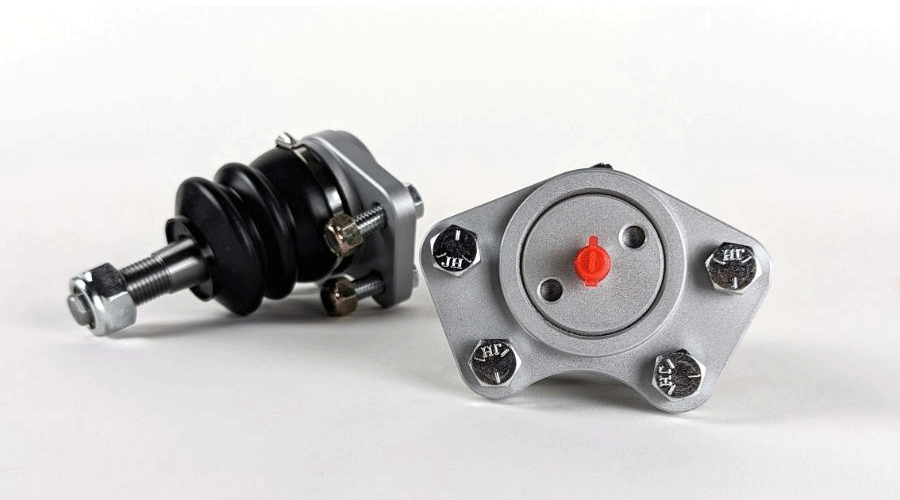
Control arm ball joint replacement involves removing a worn or damaged ball joint from the control arm and installing a new one, either by pressing out the old joint or replacing the entire control arm assembly. The process requires specialized tools and technical knowledge to maintain proper suspension geometry and vehicle safety.
This guide is for off-road vehicle owners and builders who need to
What Does Upper Control Arm Replacement Cost in 2026?
Uppercontrolarm replacement cost ranges from $200 to $600 per arm, including parts and labor. That figure covers basic passenger vehicles. Trucks, SUVs, and off-road builds tend to have higher prices due to heavier components and alignment requirements.
Upper control arm bushing replacement cost ranges from $209 to $490 for most vehicles in 2026, with an average of $313 to $433, including parts and labor. Labor accounts for $204 to $299 of that total, while parts run $110 to $134 for standard sealed bushings.
This guide is for off-road builders and fleet operators who need to understand replacement costs, recognize when worn bushings justify a full
Aftermarket Control Arms: The Foundation of a Proper Lift
If you're planning a lifted build, you've probably already considered the impact bigger tires and a taller stance will have on your vehicle's off-road capabilities. However, there's a less visible, often unrecognized ingredient in every successful lift: aftermarket control arms.
Many offroaders lift their vehicles without considering suspension geometry, which is a leading cause of lifted suspension wear. Factory suspension systems are built for specific angles, and those angles change dramatically on a lifted truck or SUV.
As a result, suspension components work outside their intended range. Ball joints operate near their limits, bushings remain under constant preload,
Winter roads can be tough on suspension systems. Plummeting temperatures and potholes put added stress on components, while road salt can accelerate wear. As spring approaches and trail use increases, winter wear can expose underlying issues. A trail-ready suspension starts with evaluating how your system handled winter conditions and whether alignment and geometry need adjustment.
Off-Road Suspension Inspection Before Trail Season
When it comes to trail season, it's critical that your vehicle's various parts are in top-notch shape. JBA Offroad designs suspension components engineered for real-world trails. That being said, even the most durable components face added stress during winter.Â
Freezing temperatures stiffen bushings, moisture leads to corrosion, and road salt speeds
Suspension Geometry Correction for Lifted Vehicles
Lifting a vehicle improves ground clearance and trail capability, but it also changes how the suspension works. When suspension angles change, alignment alone can only compensate so much. Without proper suspension geometry correction, lifted vehicles may feel unstable at highway speeds, resist returning to center after turns, or wear components faster
Good off-road suspension design relies on solid engineering, not fancy marketing. Suspension engineering significantly impacts your build's on- and off-road capabilities, with well-designed parts enabling you to tackle even the harshest surfaces. Your vehicle's upper control arms are particularly crucial. This component determines your suspension geometry, affecting everything from steering control