
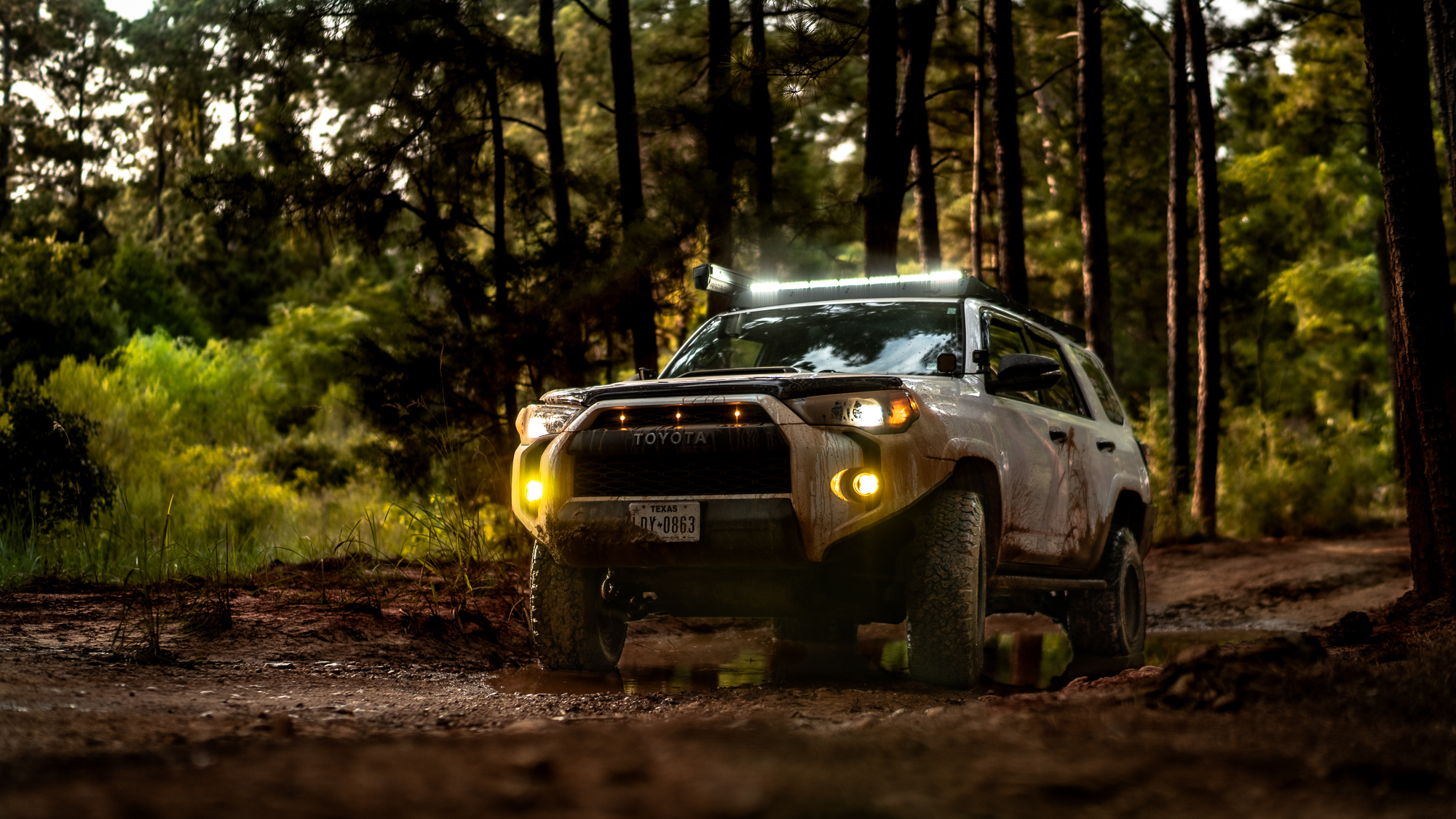
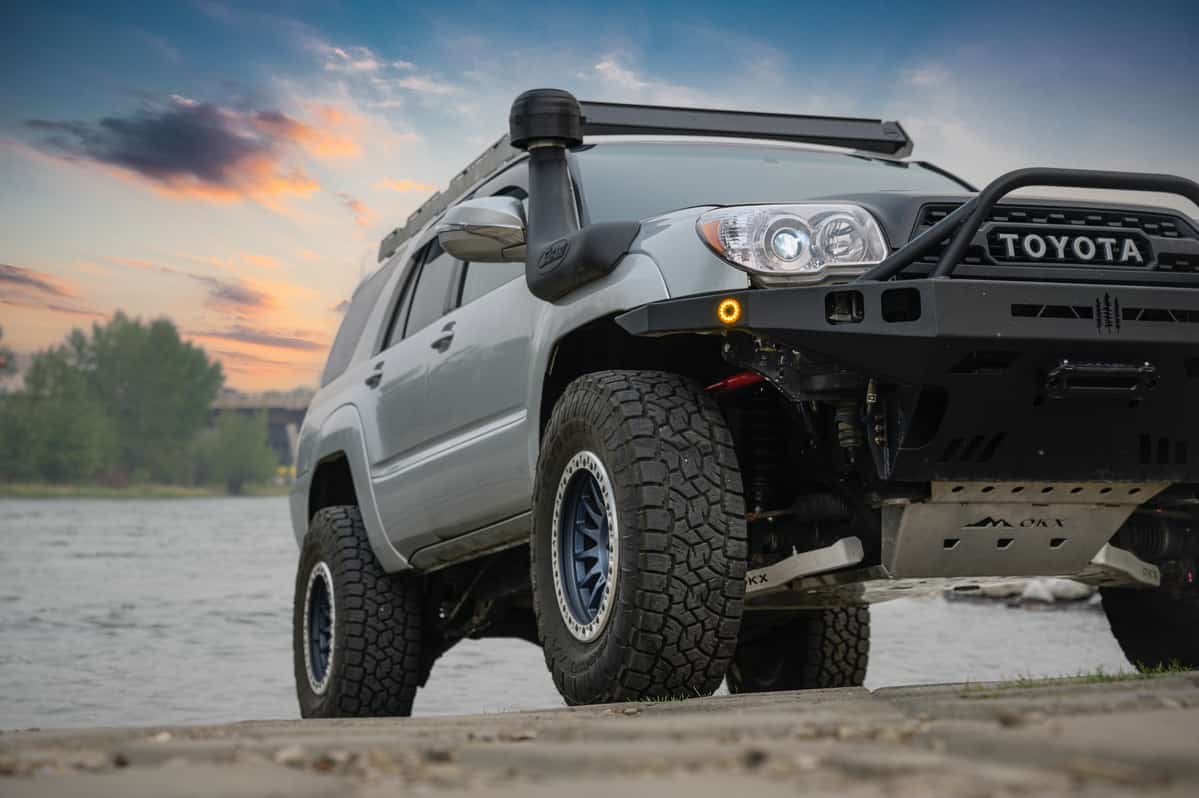
Good off-road suspension design relies on solid engineering, not fancy marketing. Suspension engineering significantly impacts your build's on- and off-road capabilities, with well-designed parts enabling you to tackle even the harshest surfaces. Your vehicle's upper control arms are particularly crucial. This component determines your suspension geometry, affecting everything from steering control to your overall comfort.
Below, we'll explain how precision engineering improves suspension performance.
Why Off-Road Suspension Design Determines Real-World Performance
Off-road terrain challenges your vehicle in ways that regular roads simply don't. The dips and bumps you encounter off-road require complex suspension movements to navigate. To meet these demands, your wheels must move independently while maintaining contact with the terrain.
Suspension engineering balances the need for flexible movement with control, ensuring your vehicle can clear obstacles without losing traction or compromising braking or cornering ability. Whether suspension engineers get this balance right determines how well your vehicle performs on rough trails.
Strong off-road suspension design is crucial to driver confidence, especially when driving in unpredictable conditions. Engineered suspension allows your vehicle to behave more predictably when you encounter bumps and dips, providing smoother suspension travel and braking stability on uneven surfaces.
How Control Arm Geometry Impacts Suspension Performance
Your vehicle's upper control arms attach the chassis to the wheels, allowing them to move freely through a specific range of motion. Problems often occur when off-road drivers lift their vehicles without replacing the factory control arms.
Lifting a vehicle with factory arms causes the components in your suspension system to start every movement from an unnatural position. Ball joints sit at steeper angles and bushings are pre-twisted, which means that every suspension motion pushes them outside their intended range. Constantly operating at the edge of their capabilities leads to heat, friction, and premature failure.
Using control arms designed for a standard ride on a lifted build also changes the suspension arc, forcing your wheels to move along an incorrect curve. The result is that loads travel through joints and bushings unevenly, increasing wear and reducing control.
Good suspension geometry requires every part to be perfectly engineered to perform its role. When a part malfunctions or is unfit for purpose, it changes load paths throughout the entire system, compromising its ability to move smoothly.
Suspension geometry problems lead to real-world consequences:
-
Wheel misalignment
-
A bumpier, harsher ride
-
Looser steering
-
Less control when braking or cornering
Unfortunately, these problems can persist even with additional suspension performance upgrades. Installing upper control arms designed for lifted builds resets your suspension geometry, enabling the system to move freely again. Proper control arm geometry provides more wheel alignment adjustment room, better control, and a more comfortable, smoother ride.
Improving Wheel Travel Without Compromising Strength
Suspension engineers often face a specific challenge when designing suspension parts: determining how to balance durability and flexibility. As we've already mentioned, off-road suspension systems must allow smooth articulation for wheels to move freely over bumpy ground. However, they also need to withstand heavy impacts, and the entire setup must be strong enough to carry heavy loads over long distances.
Well-engineered suspension parts allow wheel travel improvement through proper articulation without compromising strength and durability. Engineers achieve this by selecting highly durable materials and shaping and positioning parts for loads to travel smoothly instead of concentrating at certain points. Doing so allows the part to flex under strain instead of cracking or bending during impact.
Designing Suspension for Trails, Not Just Spec Sheets
Suspension component spec sheets don't always accurately reflect how a part performs during use. While a part may sound ideal on paper, real trail use will always reveal the flaws in poorly designed parts. Without thoughtful off-road suspension design, parts will wear out prematurely, increasing the cost of maintaining your build and impacting comfort and performance.
This is why JBA focuses on suspension design that’s validated on the trail, not just on paper. We perform real-world testing focused on load handling, suspension movement, and long-term durability before any part enters production.
Engineering-Driven Confidence on Every Trail
Your suspension system's design directly determines how your build performs on the trail, long before a part is ever installed. When it comes to suspension system upgrades, we're driven by engineering decisions rooted in geometry, load management, and long-term durability—not hype.
Prioritizing proper off-road suspension design and correct control arm geometry ensures predictable handling, consistent wheel movement, and long-term component protection. Discover our range of suspension parts and upper control arms, engineered for reliability and performance.