
Upper control arm bushing replacement cost ranges from $209 to $490 for most vehicles in 2026, with an average of $313 to $433, including parts and labor. Labor accounts for $204 to $299 of that total, while parts run $110 to $134 for standard sealed bushings.
This guide is for off-road builders and fleet operators who need to understand replacement costs, recognize when worn bushings justify a full upgrade, and evaluate serviceable alternatives to sealed components. You'll learn what drives pricing variation across vehicle models, how labor hours stack up, and when replacing control arm bushings with rebuildable systems makes more financial sense than repeated repairs.
- Cost breakdowns by vehicle make and model
- Labor rates and alignment requirements
- Sealed bushing limitations vs. rebuildable designs
- When to replace the full upper control arm
What Drives Upper Control Arm Bushing Replacement Cost?
The cost of replacing upper control arm bushings depends on three factors: vehicle complexity, labor hours, and parts specifications. Trucks and SUVs with independent front suspension require 2 to 3 hours of labor per arm, while unibody vehicles with strut-based systems often take less time. Labor rates vary by region and shop type, but expect $100 to $150 per hour at independent repair shops and $120 to $200 per hour at dealerships.
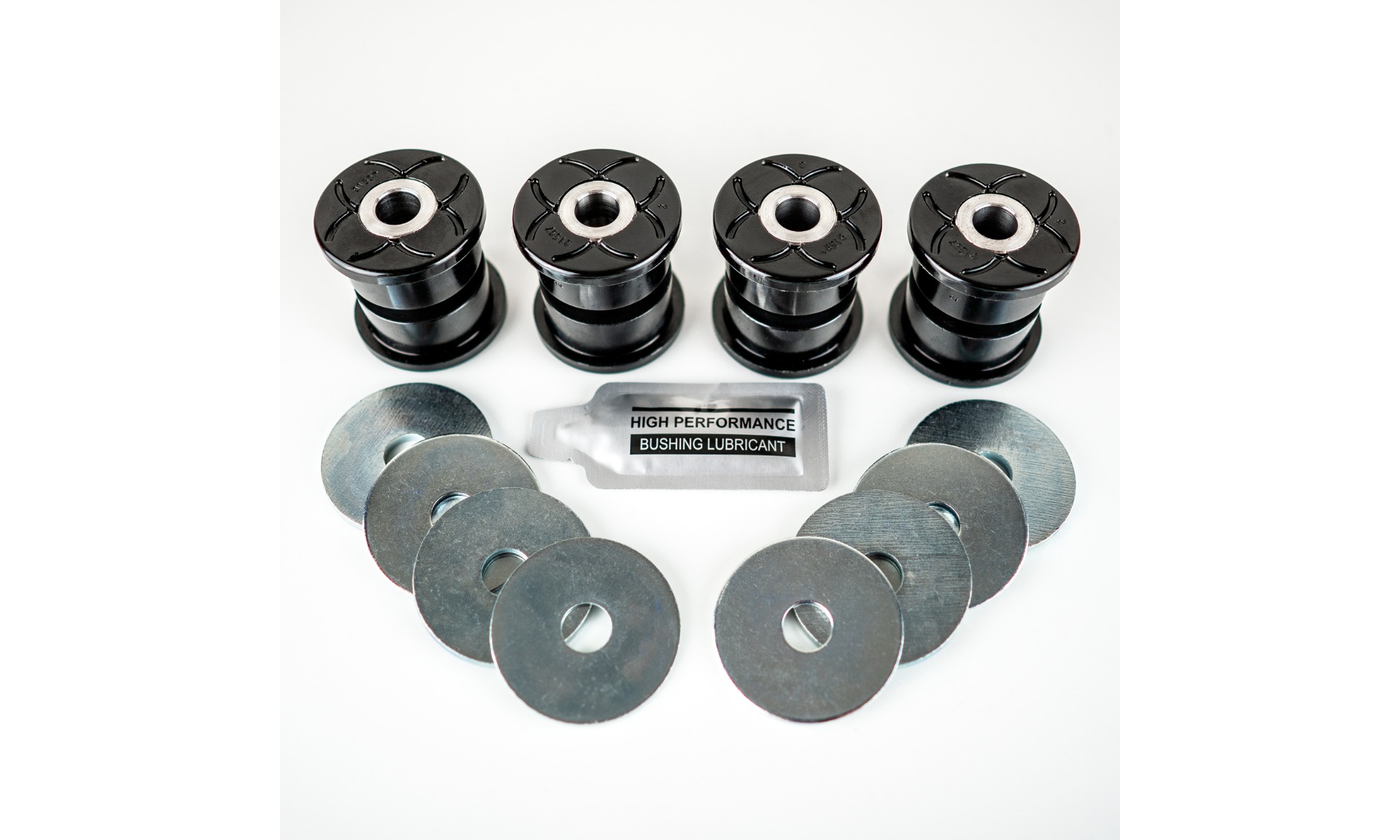
Parts costs reflect bushing material and design. Standard rubber bushings with steel sleeves run $50 to $70 per arm. Polyurethane bushings cost $80 to $120 per arm and resist wear better than rubber, but both are sealed units that cannot be serviced once installed. When a sealed bushing fails, you replace the entire component or the full control arm assembly.
Wheel alignment adds $100 to $150 to the total job cost. Any suspension work that alters the position of the upper control arm requires a four-wheel alignment to restore factory geometry. Skipping alignment leads to uneven tire wear and handling issues, so factor this into your budget from the start.
Vehicle-Specific Cost Examples
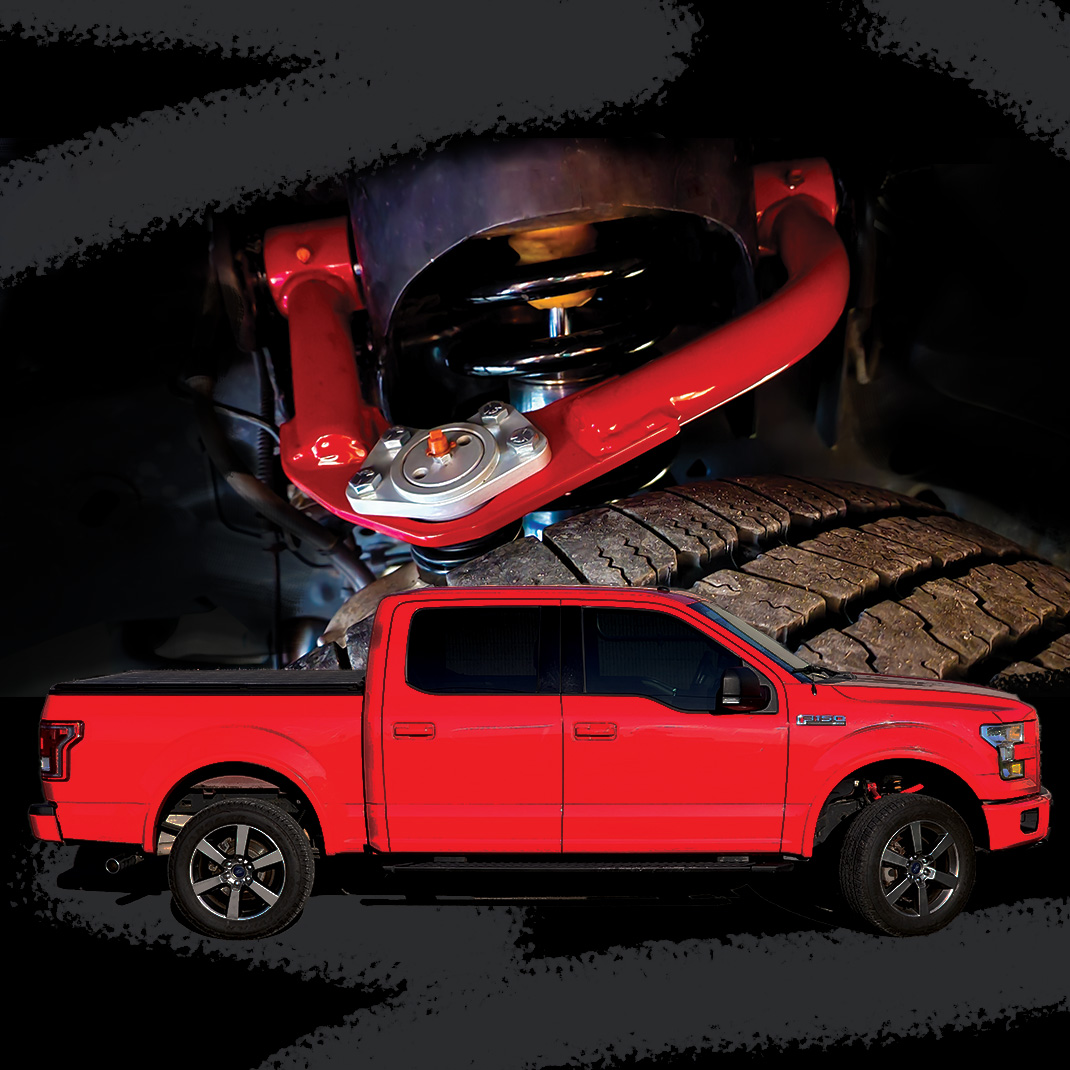
Replacement costs vary significantly across makes and models. A Ford F-150 runs $283 to $400 for control arm bushings replacement, while a Chevrolet Silverado 1500 costs $246 to $363. Nissan Altima owners face higher pricing, ranging from $347 to $490, due to tighter engine bay access and longer labor times.
Honda models show moderate pricing: $280 to $415 for an Accord, $242 to $347 for a Civic, and $301 to $358 for a CR-V. Ford Explorer costs run $231 to $306, while a Ford Escape averages $395. GMC Sierra 1500 replacement costs range from $243 to $357, comparable to the Silverado platform.
Labor Costs and Time Requirements
Labor accounts for 60% to 70% of the total cost of upper control arm bushing replacement. Replacing control arm bushings requires removing the wheel, disconnecting the ball joint, unbolting the upper control arm from the frame, pressing out the old bushings, pressing in new bushings, and reassembling the suspension. This process takes 1.5 to 2 hours per side for experienced technicians working on straightforward platforms.
Vehicles with complex strut assemblies, integrated ABS sensors, or limited clearance push labor time to 3 hours per arm. Corroded fasteners in rust-belt regions add 30 to 60 minutes per side. Some shops quote a flat rate for both arms plus alignment, which can reduce total costs compared to per-side pricing.
Replacing Control Arm Bushings vs. Full Upper Control Arm Replacement
Arm bushing replacement makes sense when the control arm itself shows no damage and bushings are the only worn suspension components. Pressing out old bushings and installing new ones costs less than replacing the entire arm, assuming you have access to a hydraulic press or a shop that offers bushing-only service. Not all shops stock the tooling for this job, so you may be offered a full arm replacement by default.
Upper control arm replacement costs $200 to $600 per arm, including parts and labor. Parts run $80 to $300, depending on material and design, while labor adds $120 to $300. Full control arm costs range from $220 to $530, plus $150 to $200 in labor, for vehicles with complex suspension geometry. This option makes sense when ball joints show wear, the arm has structural damage, or you're upgrading to a rebuildable system.
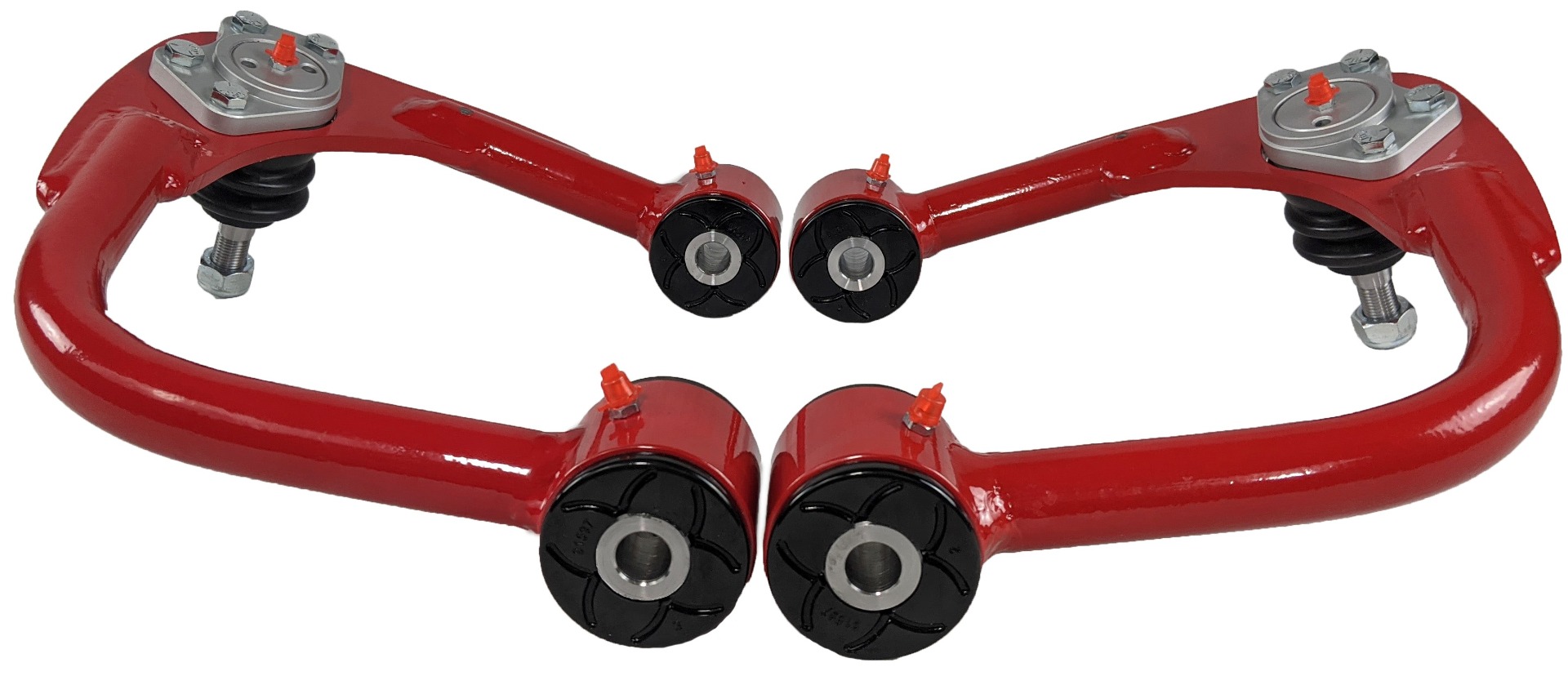
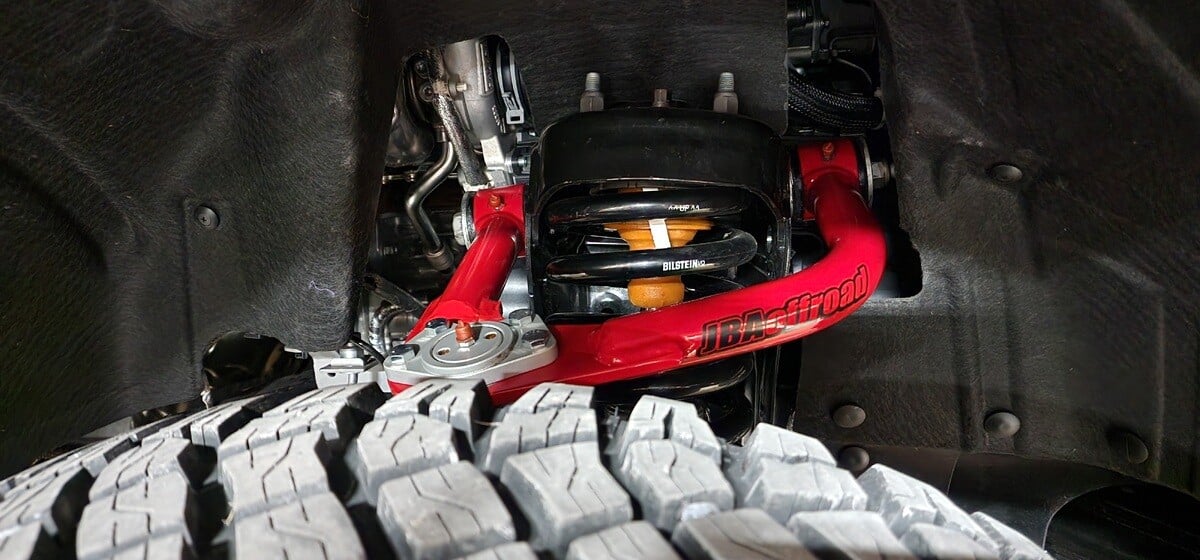
Rebuildable upper control arms eliminate the sealed bushing problem entirely. JBA Offroad Gen 4.5 UCAs feature EZ Lube Bushings with 8 individual grease ports and pressure relief valves. You service these bushings on the vehicle without disassembly, extending component life indefinitely. The upfront cost is higher than that of sealed OEM arms, but you avoid repeated bushing replacement jobs and the labor costs that come with them.
When Worn Bushings Justify a Full Upgrade
Worn bushings rarely fail in isolation. If your upper control arm bushings show cracking, tearing, or excessive play, inspect the ball joints and pivot points at the same time. Ball joint wear accelerates when bushings lose their damping capacity, and replacing bushings without addressing joint wear leads to another repair within 12 to 18 months.
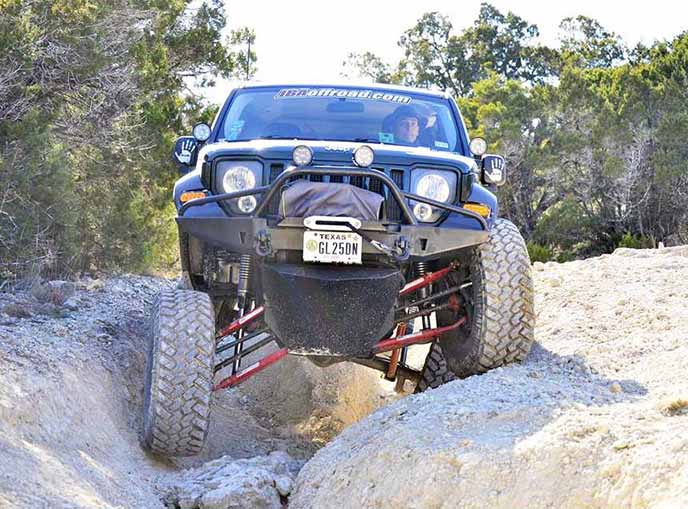
Off-road use compounds this issue. Sealed bushings cannot shed contamination or compensate for deflection under articulation. Mud, water, and trail debris enter the bushing interface, accelerating wear. Polyurethane bushings resist tearing better than rubber, but they still trap grit and require replacement when play develops. A rebuildable design with greaseable bushings and serviceable ball joints eliminates this cycle.
Fleet operators running vehicles in remote environments face a different cost equation. A $400 bushing replacement becomes a $4,000 problem when the vehicle is 200 miles from the nearest service center, and the job requires extraction, transport, and downtime. JBA UCAs have been deployed in jungle fleet operations where component failure is a safety crisis, not an inconvenience. The lifetime structural warranty and field-serviceable design reduce the total cost of ownership over a 10-year service life.
Signs of Bad Control Arm Bushings
Bad control arm bushings announce themselves through steering wander, clunking over bumps, and uneven tire wear. You'll feel looseness in the steering wheel at highway speeds, and the vehicle will track poorly in crosswinds. Clunking noises during suspension compression indicate the upper control arm is moving excessively at the frame mount, a direct result of bushing failure.
Visual inspection reveals cracked rubber, torn bushing material, or visible gaps between the bushing and the control arm sleeve. Jack the vehicle and grab the tire at 12 and 6 o'clock. Rock it vertically. Excessive play at the top indicates worn bushings or ball joints. Isolate the source by having a second person watch the upper control arm while you apply force.
Tire wear patterns provide additional evidence. Feathering on the inside or outside edge of the tread suggests the suspension geometry has shifted due to bushing collapse. Cupping or scalloping across the tread indicates the wheel is bouncing rather than tracking smoothly, a sign that the bushings no longer dampen suspension movement. These wear patterns increase repair costs by necessitating tire replacement in addition to suspension work.
How Long Do Control Arm Bushings Last?
Control arm bushings last 70,000 to 100,000 miles under normal driving conditions. Off-road use, heavy loads, and exposure to road salt reduce that interval to 40,000-60,000 miles. Rubber bushings degrade faster than polyurethane, but both designs are sealed units with finite service lives. Once the bushing material hardens or tears, replacement is the only option.
Rebuildable bushings change this timeline. EZ Lube Bushings maintain their damping properties indefinitely when serviced every 10,000 to 15,000 miles. Grease purges contaminants and maintains the bushing-to-sleeve interface, preventing the wear that can kill sealed designs. This extends component life beyond 200,000 miles in documented cases, including vehicles operating in corrosive jungle environments.
Cost Comparison: Sealed Bushings vs. Rebuildable UCAs
A sealed bushing replacement costs $313 to $433 per arm, including labor and alignment. Repeat this job twice over 150,000 miles, and you've spent $626 to $866 per corner plus two alignment cycles at $100 to $150 each. Total cost over 10 years: $826 to $1,016 per arm, assuming no additional suspension components fail during that interval.
Rebuildable upper control arms from JBA Offroad cost more upfront, but eliminate the need for repeated replacement jobs. Gen 4.5 UCAs feature Max 90 Ball Joints CNC-machined from 4140 chromoly steel with 90-degree articulation, EZ Lube Bushings with 8 grease ports, and a fully rebuildable design backed by a lifetime structural warranty. Service intervals require grease and inspection, not component replacement. Over 150,000 miles, you avoid two bushing replacements, two alignment jobs, and the labor costs associated with both.
The cost equation shifts further for fleet operators. A vehicle down for suspension repairs loses revenue, and remote operations amplify that loss. A rebuildable system reduces unplanned downtime and allows field maintenance with basic tools. One grease gun and 15 minutes per service interval replace a 3-hour shop job with specialized tooling.
Material Specifications That Affect Longevity
Standard rubber bushings use bonded rubber-to-metal construction. The rubber compound hardens over time, losing its ability to absorb vibration and control arm movement. Heat accelerates this process, which is why vehicles in hot climates or those towing heavy loads see bushing failure sooner. Polyurethane resists hardening better than rubber, but it transmits more noise and vibration to the chassis.
EZ Lube Bushings use a greaseable metal-on-metal interface with pressure relief valves that prevent over-greasing. The design eliminates rubber degradation entirely while maintaining the compliance needed for articulation. Eight grease ports ensure even lubrication distribution, and the pressure relief system prevents hydraulic lock that can damage sealed bushings during service attempts.
Max 90 Ball Joints extend this serviceability to the pivot point. The joints accept grease through a single zerk fitting and feature replaceable seals. When wear develops, you replace the seal and re-grease the joint. When the ball or socket shows damage beyond service limits, you replace the joint assembly without replacing the entire upper control arm. This modular approach reduces parts costs and keeps the vehicle operational.
How to Reduce Upper Control Arm Bushing Replacement Costs
Reduce costs by catching bushing wear early. Inspect suspension components every 20,000 miles or after any off-road trip that involves sustained articulation. Look for cracked rubber, torn bushing material, or play at the frame mount. Early detection allows you to plan the repair during scheduled maintenance rather than responding to a failure on the trail.
Service rebuildable bushings on schedule. EZ Lube Bushings require grease every 10,000 to 15,000 miles, a job that takes 15 minutes per arm with a standard grease gun. This prevents the wear that leads to bushing replacement and extends component life indefinitely. Skipping service intervals allows contamination to enter the bushing interface, accelerating wear and defeating the rebuildable design.
Combine suspension work with other repairs to reduce labor overlap. If you're replacing ball joints, tie rod ends, or alignment components, address control arm bushings at the same time. The vehicle is already disassembled, and the alignment is already required. Stacking jobs reduces the effective labor cost per repair and minimizes downtime.
DIY vs. Professional Installation
DIY bushing replacement requires a hydraulic press, ball joint separator, and torque wrench. Pressing bushings without the correct tooling damages the control arm or the new bushing, leading to premature failure. If you have the equipment and experience, you'll save $204 to $299 in labor per arm. If you don't, the cost of acquiring tools exceeds the labor savings for a single job.
Professional installation guarantees proper bushing seating and torque specifications. Shops with alignment racks complete the job start to finish, ensuring the vehicle leaves with correct suspension geometry. For sealed bushings, professional installation is the standard approach. For rebuildable systems, professional installation during the initial upgrade makes sense, but all subsequent service happens in your garage with a grease gun.
JBA Offroad Upper Control Arms: Engineered for Serviceability
JBA Offroad has built upper control arms since 2003, starting with the original aftermarket UCA for the Jeep Liberty KJ. Gen 4.5 UCAs represent 20 years of engineering refinement, incorporating field feedback from thousands of arms deployed worldwide. The design prioritizes serviceability, material durability, and performance under articulation.
EZ Lube Bushings eliminate the need for a sealed bushing replacement cycle. Eight grease ports with pressure relief valves ensure even lubrication and prevent contamination buildup. Max 90 Ball Joints provide 90-degree articulation with a rebuildable design that accepts grease and replacement seals. The lifetime structural warranty covers the arm itself, reducing long-term ownership costs and eliminating the risk of catastrophic failure.
These arms are not mass-market parts. They are specialized components for builders who do their own installations and fleet operators who operate vehicles in remote environments. JBA does not compete on price with sealed OEM replacements. They compete on total cost of ownership, field serviceability, and documented performance in extreme conditions. If you replace control arm bushings every 60,000 miles, the math favors rebuildable systems by 100,000 miles.
Frequently Asked Questions
Can you drive with bad upper control arm bushings?
You can drive with bad upper control arm bushings, but you shouldn't. Worn bushings allow excessive control arm movement, which degrades steering precision and accelerates tire wear. If the bushing fails completely, the control arm can shift under braking or cornering, creating a loss of control. Replace worn bushings as soon as you detect play or hear clunking noises.
Is it expensive to replace control arm bushings?
Control arm bushing replacement costs $209 to $490, depending on vehicle model and labor rates. This is a moderate expense compared to other suspension repairs, but it recurs every 60,000 to 100,000 miles with sealed bushings. Rebuildable systems cost more upfront but eliminate repeated replacement jobs, reducing total cost over the vehicle's service life.
How much are control arms for a Jeep Grand Cherokee?
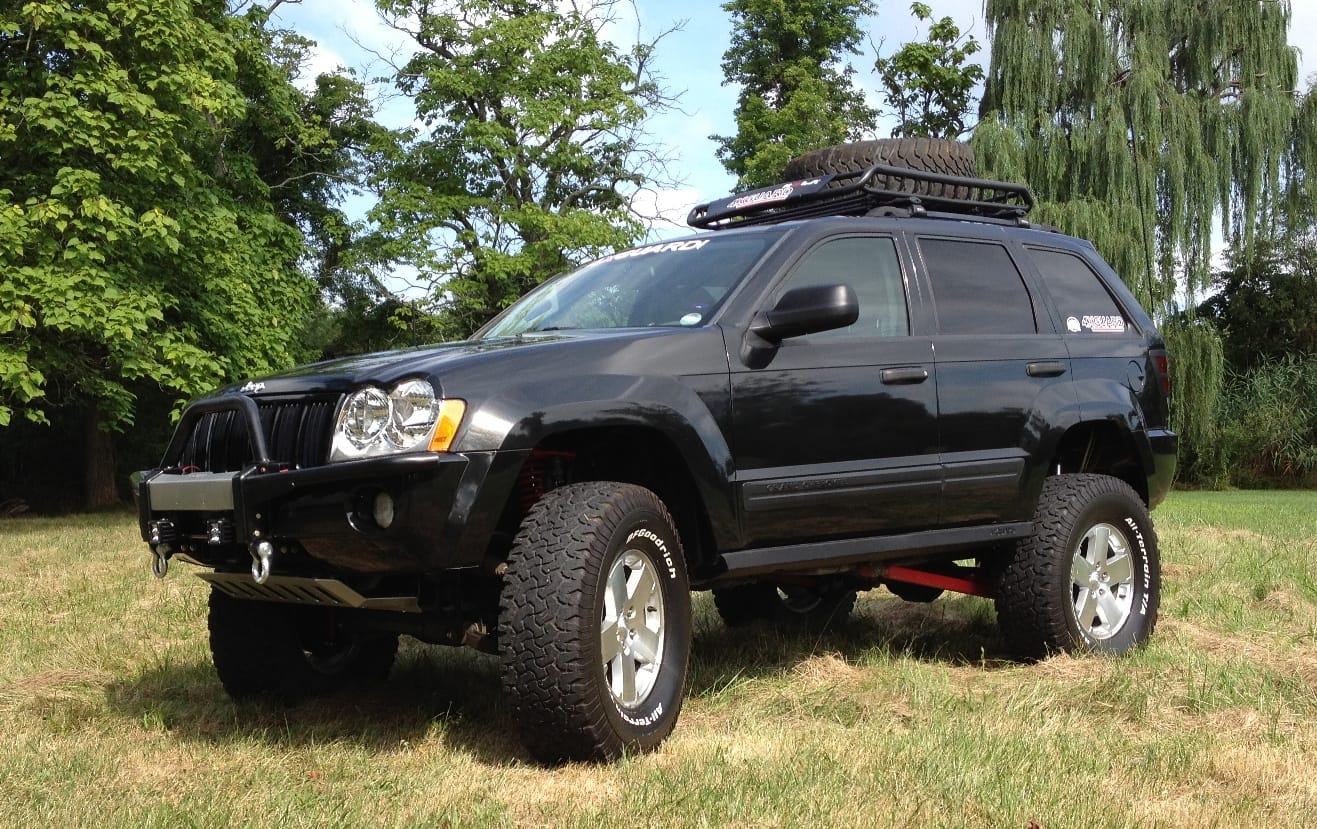
Upper control arm replacement for a Jeep Grand Cherokee runs $250 to $450 per arm for OEM or aftermarket sealed designs, plus $150 to $200 in labor and $100 to $150 for alignment. JBA Offroad Gen 4.5 UCAs for the Grand Cherokee feature rebuildable ball joints and greaseable bushings, with pricing that reflects the engineering and lifetime structural warranty. Contact JBA directly for current pricing and fitment confirmation.
What are the signs of bad control arm bushings?
Signs of bad control arm bushings include steering wander at highway speeds, clunking noises over bumps, and uneven tire wear. Visual inspection reveals cracked or torn bushing material and visible gaps between the bushing and control arm sleeve. Grab the tire at 12 and 6 o'clock and rock it vertically. Excessive play at the top indicates bushing or ball joint wear.
Conclusion
Upper control arm bushing replacement cost averages $313 to $433 in 2026, but that figure only tells part of the story. Sealed bushings require replacement every 60,000 to 100,000 miles, creating a recurring expense that compounds over the vehicle's service life. Rebuildable systems with greaseable bushings and serviceable ball joints eliminate this cycle, reducing the total cost of ownership and unplanned downtime.
JBA Offroad Gen 4.5 UCAs are engineered for builders and fleet operators who prioritize serviceability and long-term durability. EZ Lube Bushings, Max 90 Ball Joints, and a lifetime structural warranty deliver performance that sealed components cannot match. Shop UCAs backed by a lifetime structural warranty at JBA Offroad, or contact the team directly for fitment and technical support.