
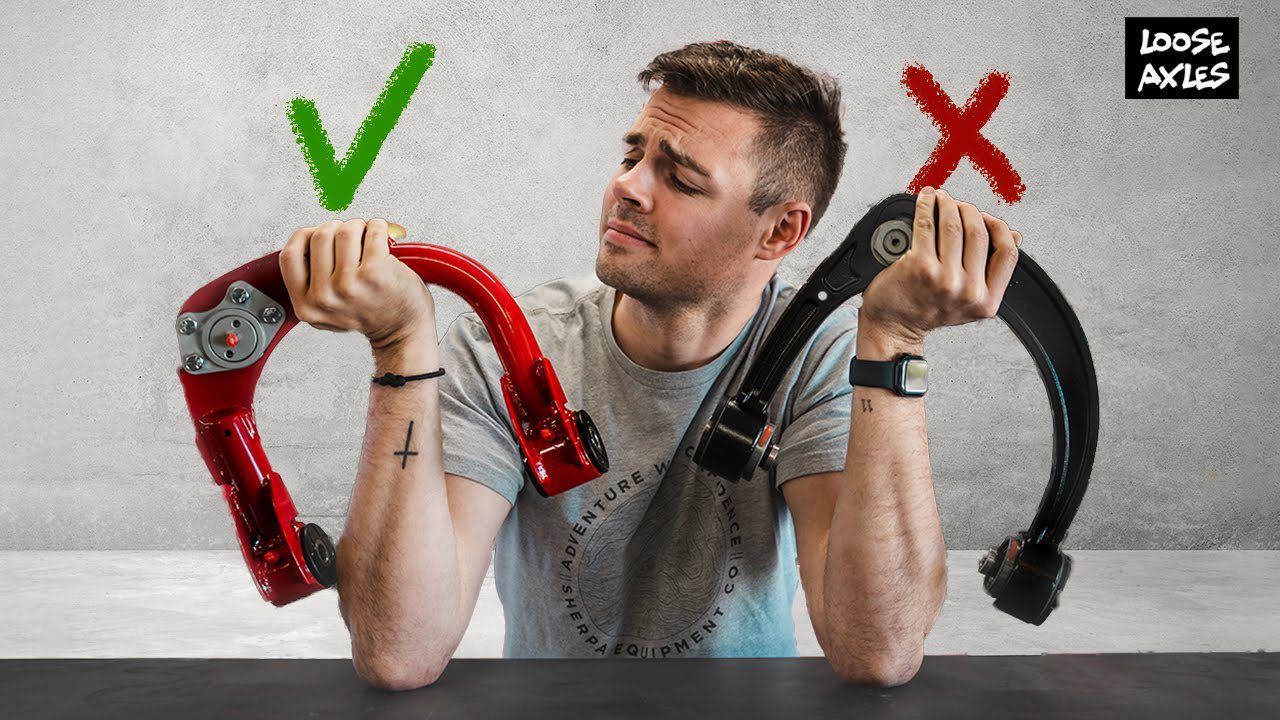
Written by Loose Axles, a member of the JBA Trail Team. You can read the original version of this story on looseaxles.com.
Adjustable upper control arms sound like the perfect fix for a lifted truck: dial in caster and camber right on the arm, for any lift height or tire size. We ran a set of SPC adjustable upper control arms on our 2007 4th gen 4Runner for about a year. In that time the front end fell out of alignment more than once, the ball joints developed play and the bushings started to squeak.
We switched to fixed JBA HD High Caster upper control arms, and the alignment problems stopped. Here's what we learned about adjustable vs. fixed upper control arms, and why we won't go back.
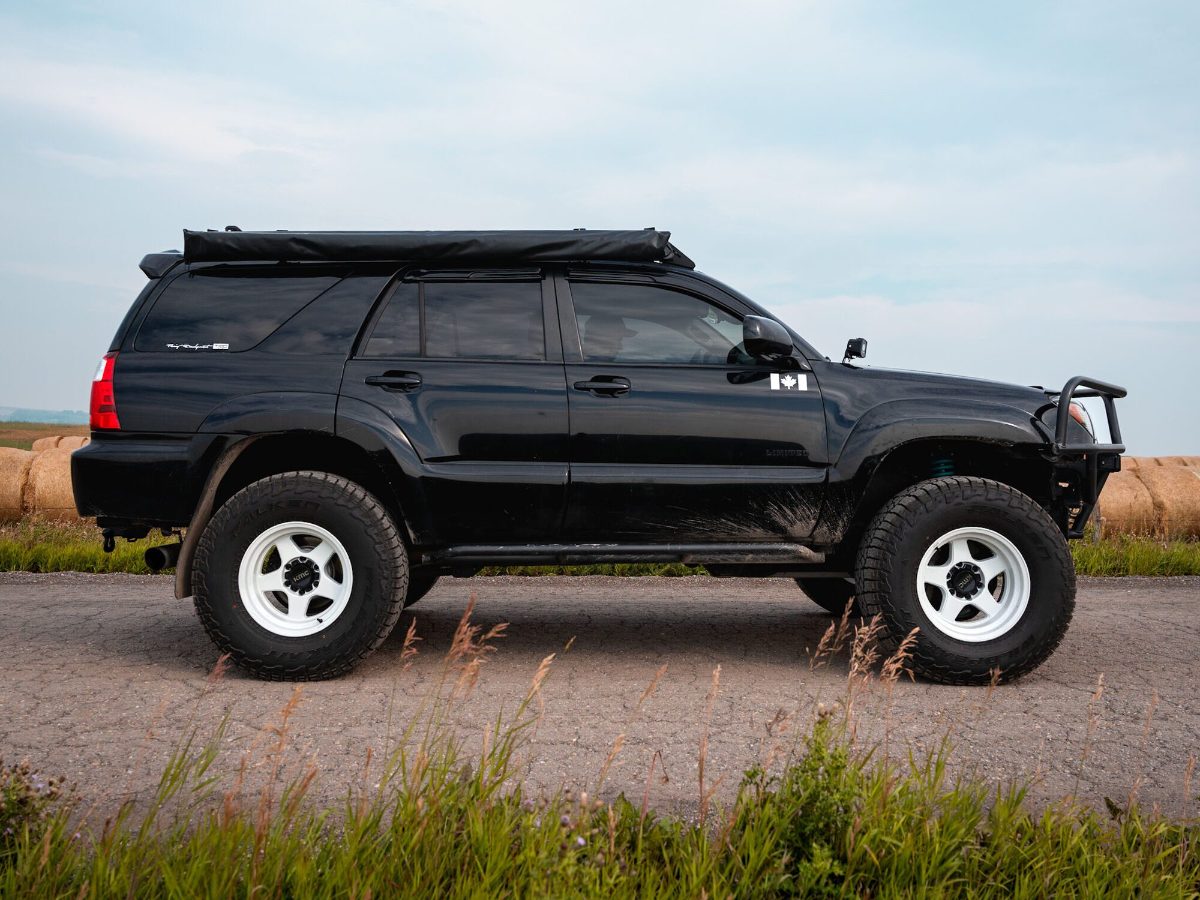
Quick facts
| Spec | Details |
|---|---|
| Truck | 2007 Toyota 4Runner (4th gen), lifted |
| Old arms | Adjustable upper control arms, run for about a year |
| New arms | JBA HD High Caster upper control arms |
| Why we switched | Alignment wouldn't hold off road, ball joint play, squeaky non-greaseable bushings |
| Off-road alignment cost (our area) | About $175 each time |
Why does a lifted 4Runner need new upper control arms?
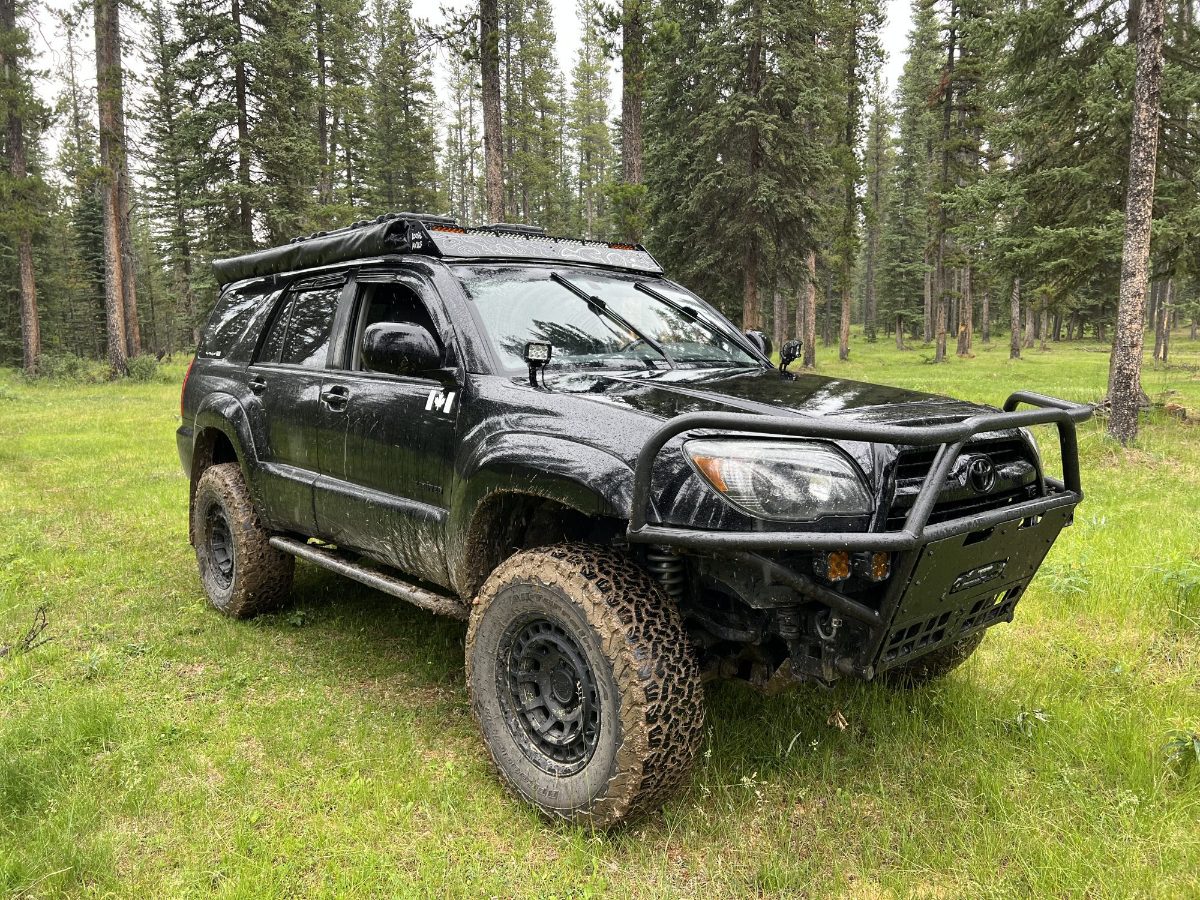
Lifting the front of a 4Runner or Tacoma changes the suspension geometry. Caster goes down, camber goes out, and the factory upper ball joint starts to bind near full droop. Aftermarket upper control arms fix that by repositioning the ball joint and adding caster back in, so the truck tracks straight and the alignment shop can get everything back into spec.
There are two ways to get there. Adjustable arms let you set caster and camber on the arm itself. Fixed arms have the correction built in, and you fine-tune the alignment with the factory cam bolts on the lower control arms. For more background, see the JBA articles titled Do lifted trucks need upper control arms? and the 4Runner upper control arm upgrade guide.
How caster and camber are set on a 4Runner
On a 4th gen 4Runner (and most Toyota trucks, the factory alignment is set at the lower control arms. Each lower arm mounts to the frame with two cam bolts, one front and one rear. Turning a cam pushes that side of the arm in or out. The rear cam mostly sets caster, and the front cam mostly sets camber. Because the two are linked, most shops set caster with the rear cam first, then fine-tune camber with the front.
What if your lower cam bolts are seized?
Those cam bolts sit right in the path of road salt and mud. On a lot of trucks, especially where roads get salted, they seize in their sleeves and won't turn. Then the alignment shop can't adjust anything.
This is where a lot of people reach for adjustable upper control arms, because they give the shop somewhere else to make adjustments. We understand the appeal, but after living with it, we think it's the wrong fix. If your cams are seized, replace the cam bolts or the lower control arms (new OEM Toyota lower arms come with fresh cam hardware), then run a fixed upper arm. You end up with working adjustment at the bottom and an upper arm that stays put.
How adjustable upper control arms work
On most adjustable arms, the ball joint isn't locked in one spot. It sits in a slot or on an indexing plate, so the shop can slide it in, out, forward or back to change camber and caster. That gives you a second place to adjust the alignment on top of the factory lower cams.
On paper that sounds like the best of both worlds. The catch is that every adjustment point is another part that can wear, slip or shift. Not to mention it can be difficult to find a competent shop to do that alignment as well.
Where our adjustable arms fell short
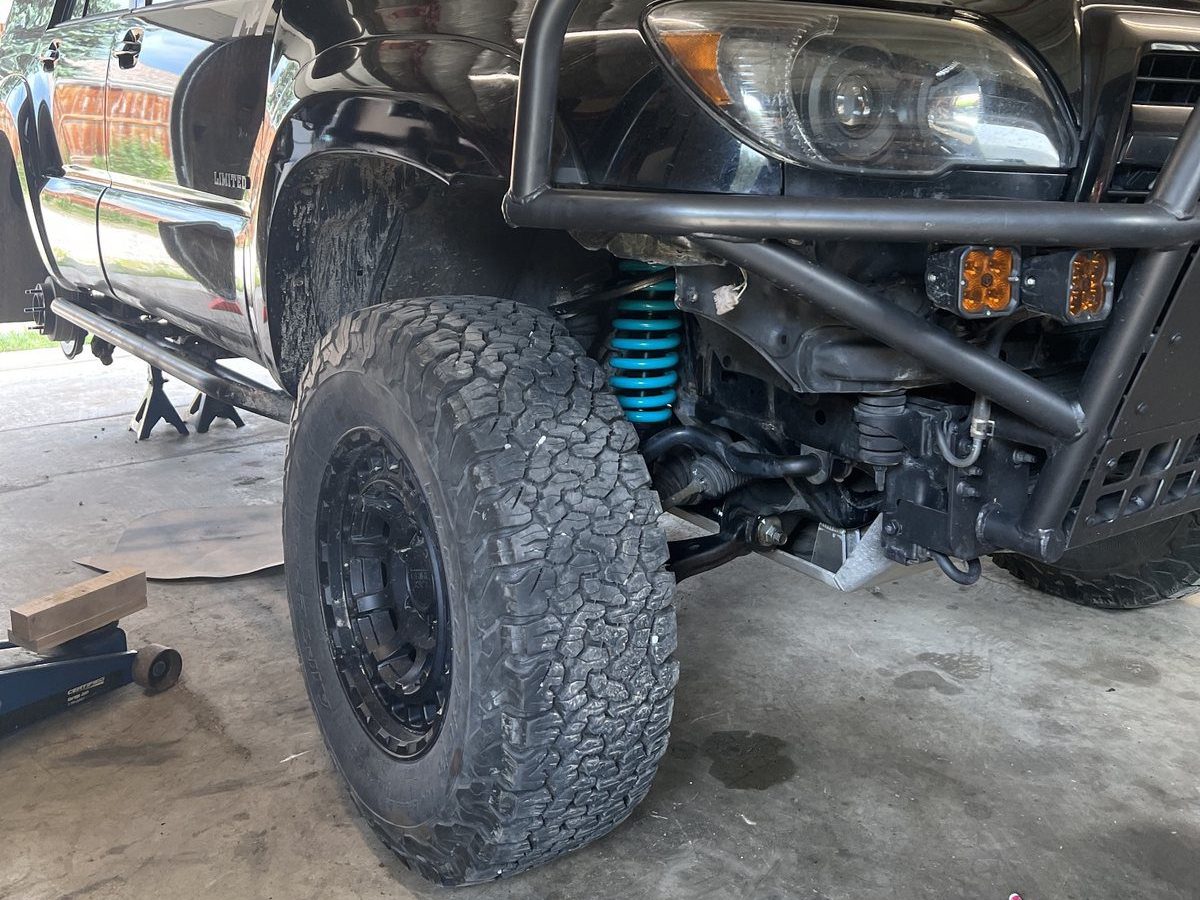
They got the truck into spec at first. But in less than a year, the bushings and ball joint had enough play that the truck was out of spec again and clunking.
- Sealed ball joints. You couldn't grease them without buying a separate greaseable ball joint.
- Non-greaseable bushings. They dried out, then started to squeak and wear.
- Ball joint play. The adjustable ball joint developed too much play, and updated replacement joints didn't last much longer.
- Alignment didn't hold. It drifted after a few trips off road.
More moving parts means more alignments
On an adjustable arm, the ball joint's position is the alignment. Anything that moves or wears throws the front end out. Replace the ball joint and you're back at the alignment shop. Knock it on the trail and you're back again. Around us, an off-road alignment runs about $175, which adds up fast when you're paying for it every few months if you take your trucks out often.
Adjustable designs keep improving, and your experience may be different. But for us, we wanted a peace of mind and not having to worry about haviong a poor alignment when we needed to daily drive our 4Runner.
What fixed our alignment problems: JBA HD High Caster upper control arms
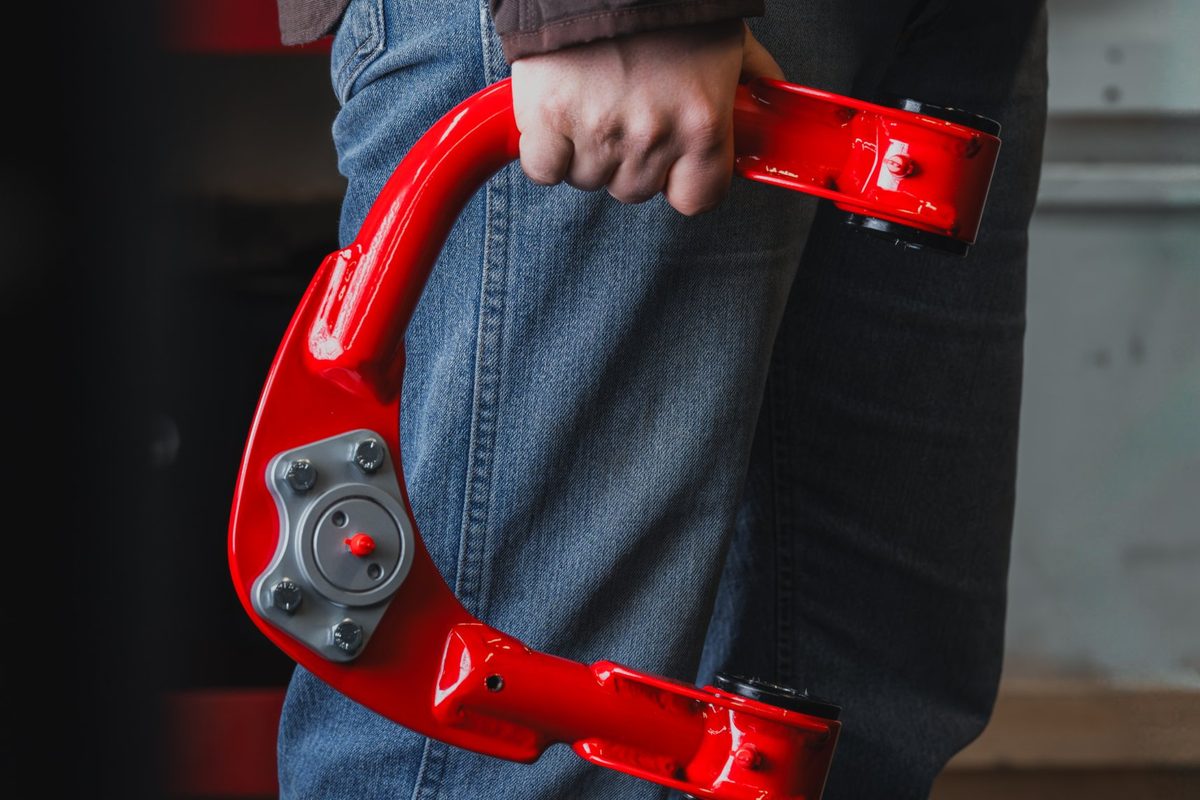
The JBA HD High Caster upper control arms are a fixed design. The extra caster is built into the arm instead of depending on a sliding ball joint or plate to hold it. Once the truck is aligned, there's nothing on the arm that can slip out of place. Here's what made the biggest difference for us:
Replaceable ball joint, no alignment needed
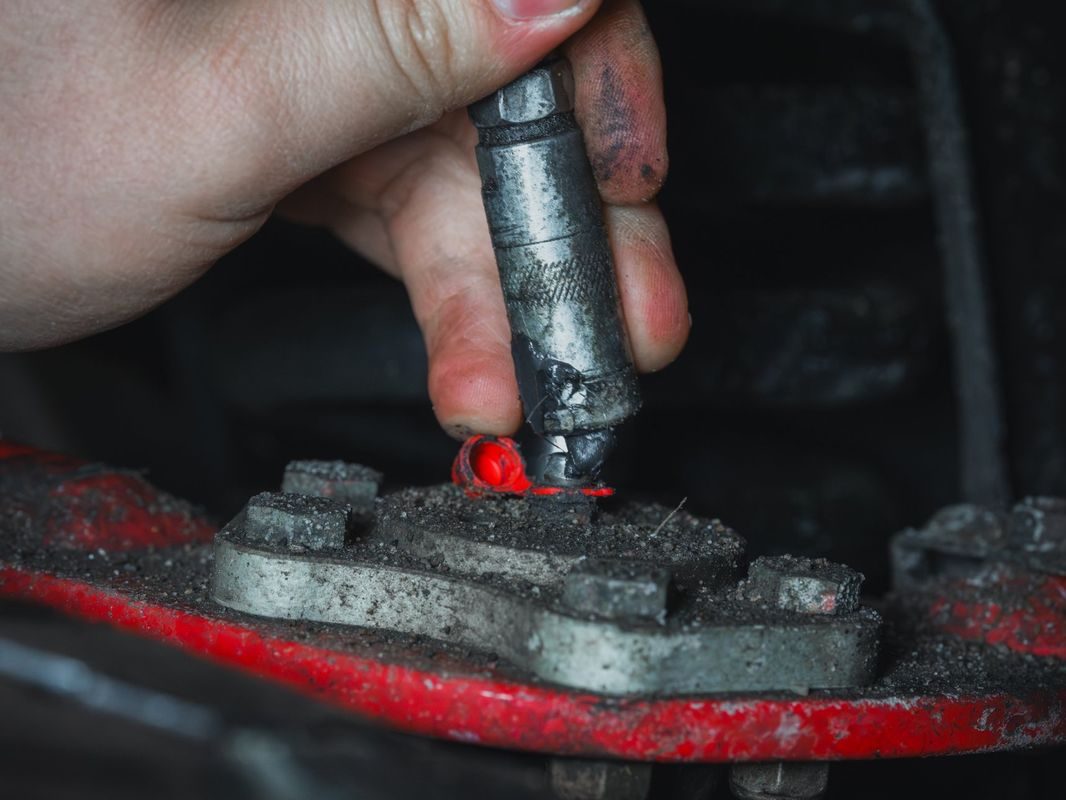
The Max 90 ball joint bolts in with four bolts. Because it isn't part of the alignment, you can swap it without losing your settings, and you don't need another alignment afterward. We can change one in about 10 minutes with basic hand tools, right in the driveway. More on that can be found in this article: 7 ways JBA replaceable ball joints make your life easier.
EZ Lube bushings that stay quiet
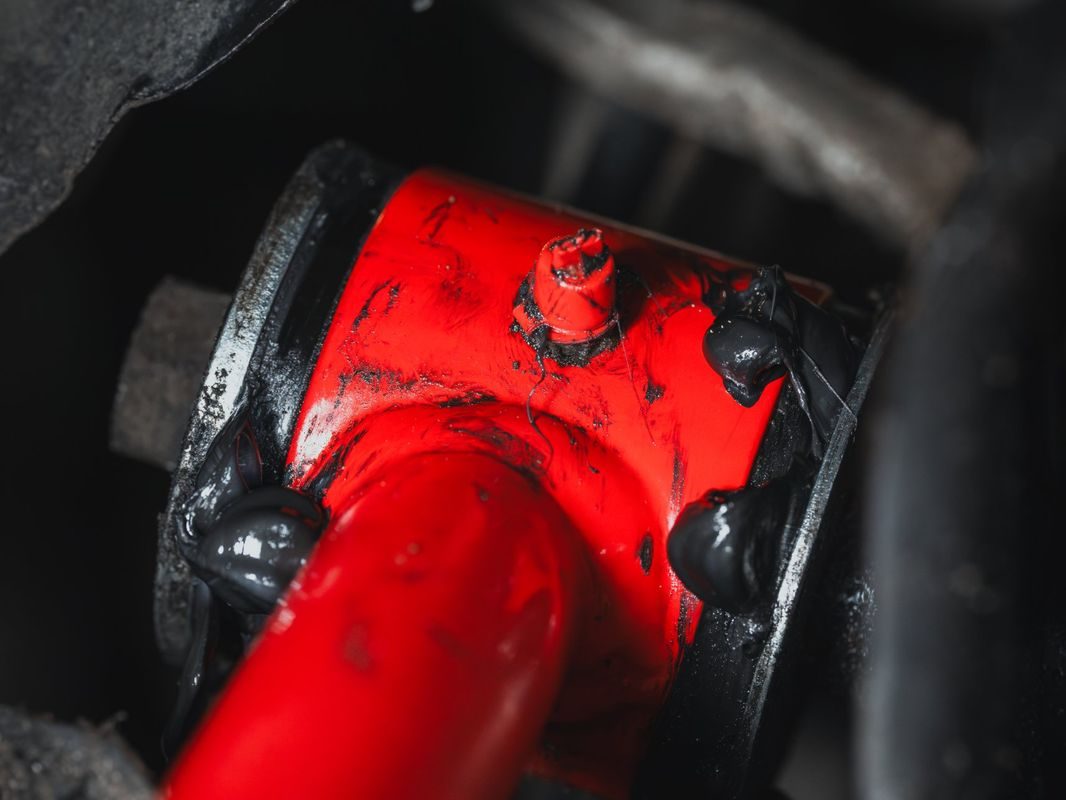
The bushings have grease fittings, so you can grease them right on the truck. They stay lubed and quiet instead of drying out and squeaking like the non-greaseable bushings on our old arms. For a guide, here's how to grease JBA upper control arms the right way.
Fully rebuildable
Everything on the arm can be serviced or replaced. Instead of buying a new set of arms when something wears out, we can keep the same arms for the life of the truck and replace parts as needed.
Adjustable vs. fixed upper control arms
| Adjustable (our old arms) | Fixed (JBA HD High Caster) | |
|---|---|---|
| Caster and camber | Set on the arm by moving the ball joint | Built into the arm, fine-tuned with the factory cam bolts |
| Ball joint replacement | Needs a new alignment | About 10 minutes, no alignment |
| Bushings | Not greaseable | EZ Lube, greaseable on the truck |
| Held alignment off road | Ours didn't | Yes |
| Serviceable | Limited | Fully rebuildable |
Shop JBA HD High Caster upper control arms for the 4Runner, Tacoma, FJ Cruiser and Lexus GX →
Watch: why we moved on from adjustable upper control arms
The bottom line
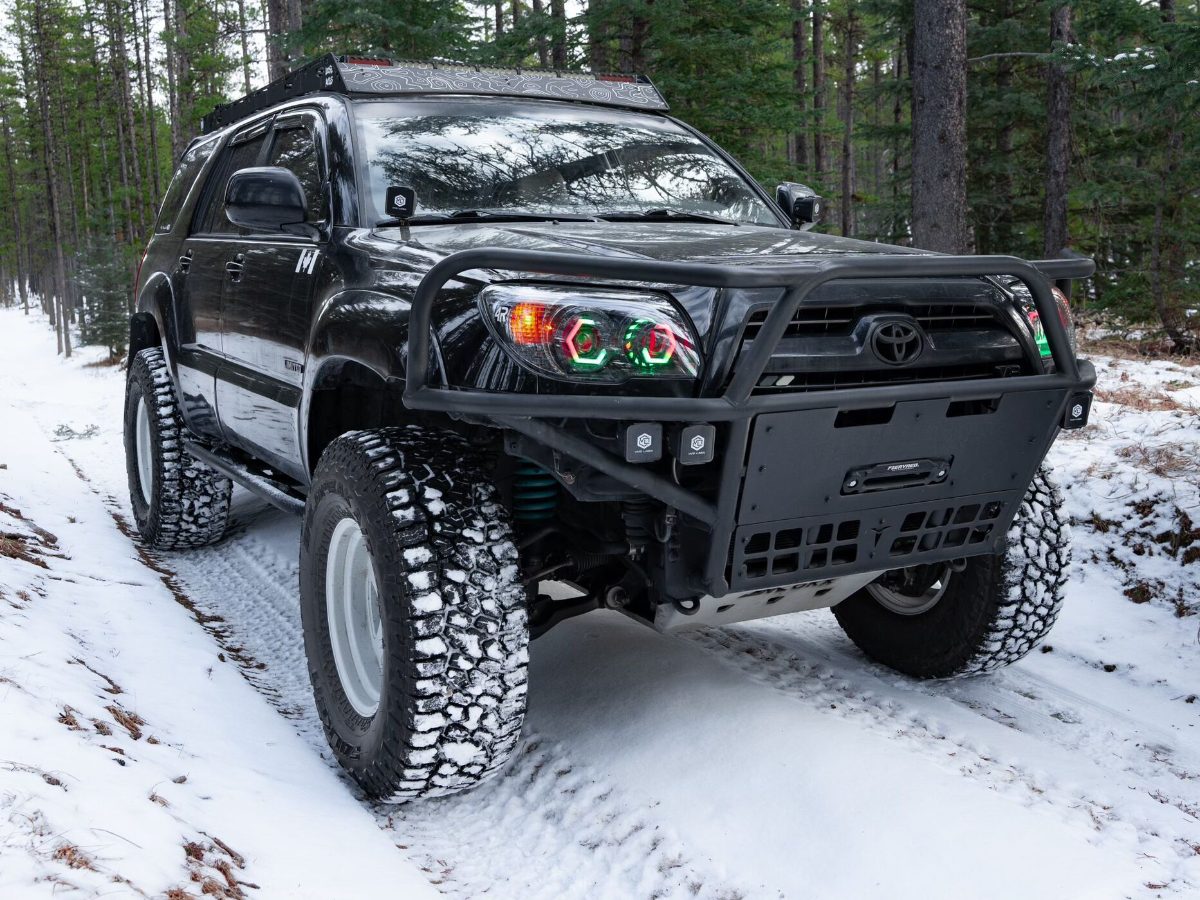
If you're fighting an alignment that won't stay put, or reaching for adjustable arms to work around seized cam bolts, fix the lower cams and run a fixed upper control arm. For us, the JBA HD High Caster arms ended the trips back to the alignment shop and gave us a front end we can grease, rebuild and gave us the peace of mind we were missing.
See everything else on our truck on the Loose Axles 4Runner build page, and check out our 2nd gen Tacoma build with JBA upper control arms.
Frequently asked questions
Do I need upper control arms for a 3-inch lift?
For most 4Runners and Tacomas with 2 to 3 inches of front lift, yes. Without them it's hard to get caster back into spec, and the upper ball joint runs at a steep angle.
Are adjustable upper control arms worth it?
They can work if you want to fine-tune the alignment and don't mind checking it often. For a truck that sees trails regularly, we'd rather run a fixed arm that holds its alignment and lets us replace the ball joint without another trip to the alignment shop.
What is the difference between adjustable and fixed upper control arms?
Adjustable arms set caster and camber by moving the ball joint on the arm. Fixed arms like the JBA HD High Caster have the caster correction built in, and you fine-tune the alignment with the factory cam bolts on the lower control arms.
How much does an off-road alignment cost?
Around us, about $175. That's why an arm that holds its alignment matters so much.
My lower cam bolts are seized. Should I get adjustable upper control arms?
We wouldn't. Replace the seized cam bolts or the lower control arms instead, then run a fixed upper arm. Adjustable uppers work around the problem, but you're still left with seized cams and an upper arm that can drift out of alignment.
Do I need an alignment after replacing a JBA ball joint?
No. The Max 90 ball joint bolts into the same four holes, so your caster and camber don't change.
Can I keep my factory lower control arms?
If the cam bolts still turn freely, yes. If they're seized, replacing the cam bolts or the lower arms is the better fix.
About the author
Loose Axles is a JBA Trail Team member who builds trucks for adventure, including a 4th gen 4Runner and a 2nd gen Tacoma. They share tutorials, blog posts and reviews at looseaxles.com and on YouTube.