
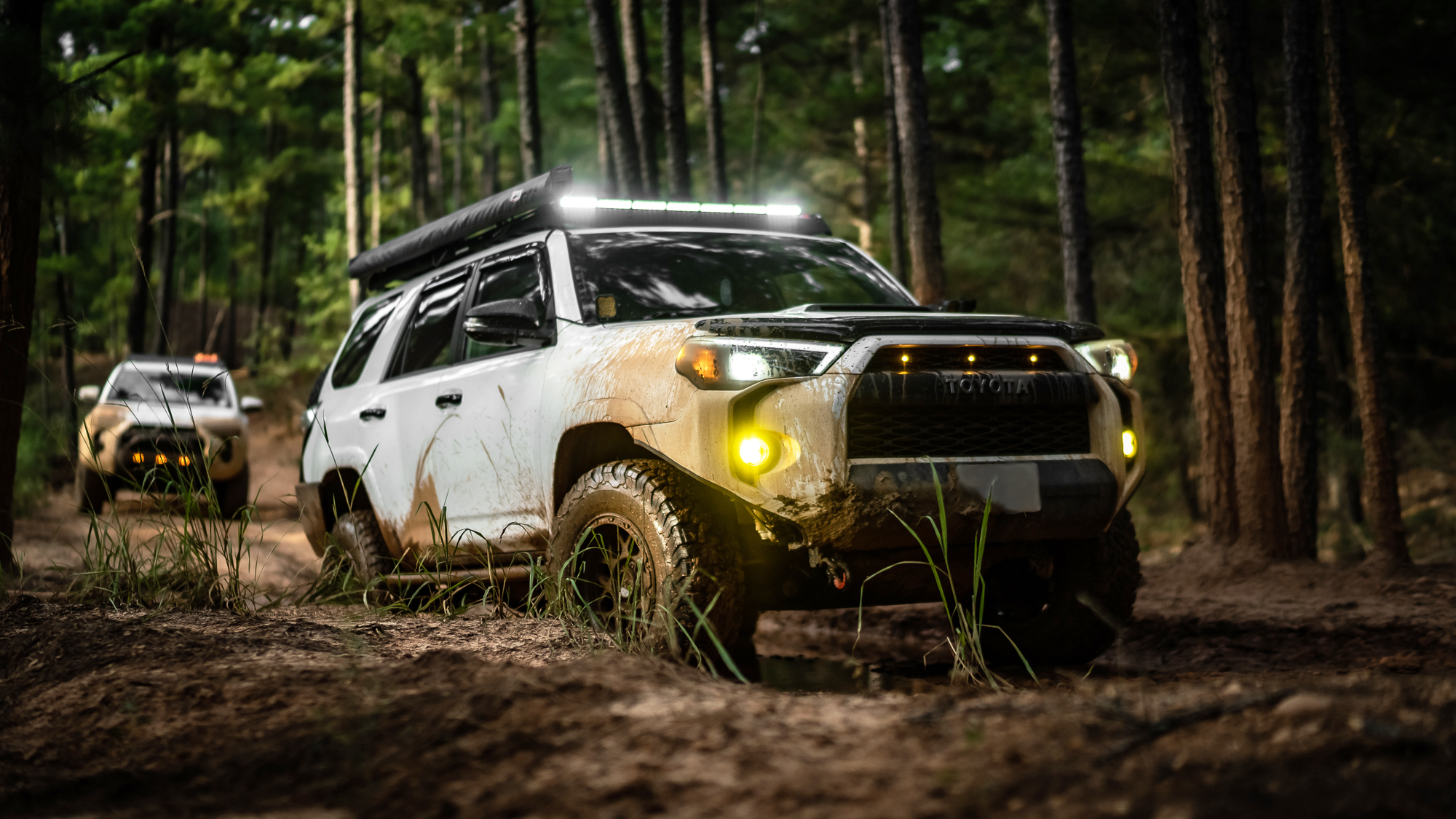
Lift a 4Runner an inch or two and the factory front end starts showing its limits fast. Alignment gets tighter, droop gets shorter, and the stock ball joint angle can end up working harder than Toyota ever intended. That is exactly why a 4Runner upper control arm upgrade becomes more than a cosmetic add-on - it is one of the parts that decides whether your lifted rig drives tight and tracks straight or feels like a compromise every time you leave the driveway.
A lot of owners wait until they hear a clunk, see uneven tire wear, or get told by an alignment shop that caster is barely in spec. By then, the problem is already obvious. The smarter move is understanding what the upper control arm actually does in a lifted suspension and why a purpose-built arm changes the way the whole front end behaves.
Why a 4Runner upper control arm upgrade matters
On a stock-height 4Runner, the factory upper control arm does its job well enough. Toyota designed it around stock ride height, factory wheel specs, and the limited operating range of an unmodified front suspension. Once you add lift, preload, larger tires, or more aggressive use, that geometry changes.
The biggest issue is angle. As the suspension sits higher, the ball joint operates closer to the edge of its travel. That can reduce droop and place more stress on the joint itself. It also affects alignment, especially caster. If you have ever driven a lifted 4Runner that wandered on the highway or never quite returned to center after a turn, poor caster is usually part of the story.
A well-engineered aftermarket upper control arm is built to correct those realities. It repositions the ball joint or uniball for improved geometry at lift height, opens up usable articulation, and helps the alignment shop get numbers that make the truck behave like it should. That matters on the trail, but it also matters on your commute.
What changes after the upgrade
The first thing most drivers notice is steering feel. A proper arm can help restore caster, which usually translates into better straight-line stability and more predictable return-to-center. That does not mean every lifted 4Runner will suddenly drive like a sports sedan, but it should feel more planted and less twitchy.
The second change is suspension travel. Factory arms can limit droop when lifted because the ball joint reaches its angle limit too soon. An upgraded arm is designed for that taller ride height, so the suspension can cycle more freely. That helps the front end stay composed over uneven terrain instead of topping out early and upsetting the chassis.
Then there is durability. Stock-style components are often fine for pavement and mild use, but off-road miles, washboard roads, bigger tires, and added weight all expose weak points. A premium arm built for real abuse uses stronger materials, better welding, and serviceable wear components instead of throwaway hardware.
Not all upper control arms solve the same problem
This is where a lot of buyers get tripped up. Two control arms can look similar in photos and behave very differently on the truck.
Some are built mainly to clear coilovers or to look aggressive behind the wheel. Some use uniballs that offer good articulation but can require more maintenance and may not be ideal for every daily-driven 4Runner, especially in wet, salty, or dusty environments. Others use heavy-duty ball joints designed to keep noise down, last longer, and survive mixed use better.
That does not make one style universally right and the other wrong. It depends on how you use your rig. If your 4Runner is a true trail-first build that sees frequent articulation and regular inspection, a race-inspired setup might fit. If it is a lifted daily driver that still tackles rocky trails, forest roads, and overland miles, many owners are better served by an arm focused on corrected geometry, quiet operation, and long-term serviceability.
That is where engineering matters more than marketing. The right upper control arm should not just fit the truck. It should work at the ride height you actually run, with the tire size, wheel offset, and terrain you actually use.
Choosing the right 4Runner upper control arm upgrade
Start with lift height. Most owners looking at aftermarket UCAs are in the roughly 2 to 3 inch front lift range. That is the zone where factory geometry starts asking for help. If your truck is only leveled slightly, you may still be able to align the stock setup, but that does not automatically mean it is operating at its best under full suspension travel.
Next, think about use case. A mall-crawler with oversized tires does not need the same arm as a 4Runner that gets hammered through desert washouts or loaded down for week-long trips. Weight matters too. Add a bumper, winch, skids, and camping gear, and every front-end component works harder.
Then look at serviceability. This part gets overlooked until maintenance time. Rebuildable or greaseable components can be a major advantage for owners who keep their rigs long term. Instead of replacing the entire arm when wear shows up, you can service the parts that actually need attention. That saves money over time and keeps the truck ready for the next trip.
Build quality should be obvious. You want proper welds, quality bushings, reliable ball joints, and a design with real clearance through the suspension cycle. This is not a place to chase the cheapest option. A bad upper control arm can create noise, alignment headaches, and premature wear that cost more than you saved.
Ball joint vs uniball on a lifted 4Runner
This debate never really goes away, and the honest answer is that it depends.
Uniballs are popular because they can provide excellent articulation and strength in certain applications. They are common in performance-oriented off-road suspension for good reason. But they are also more exposed, which can mean more maintenance and more sensitivity to contamination, especially for daily-driven trucks in real weather.
A heavy-duty ball joint setup often makes more sense for owners who want strength without the extra upkeep. A well-designed ball joint arm can still deliver the geometry correction and droop improvement a lifted 4Runner needs, while staying quieter and more practical for long-term street and trail use.
For many enthusiasts, that balance is the sweet spot. You want suspension parts that work hard without constantly asking for attention.
Installation and alignment are part of the result
Even the best upper control arm will not fix a sloppy install or a lazy alignment. Once the arm is on the truck, alignment is mandatory. Caster, camber, and toe all need to be checked with the suspension settled at the ride height you plan to run.
This is also why the installer matters. A shop that understands lifted Toyotas will know what numbers to chase and how wheel and tire setup can affect the final result. If your alignment tech treats your 4Runner like a stock grocery-getter, you may leave performance on the table.
Torque specs matter too. Bushing preload, ball joint hardware, and cotter pin installation are not optional details. If the truck sees off-road use, periodic inspection should be part of your routine. Suspension parts live a hard life. Smart owners check them before they become a problem.
What a quality arm should deliver over time
A real upper control arm upgrade should still feel like a good decision long after install day. It should keep alignment where it belongs, stay quiet, hold up to repeated suspension cycles, and take abuse without acting disposable.
That long-term mindset is where purpose-built designs separate themselves from generic parts-bin solutions. Features like greaseable bushings, rebuildable wear items, and ball joints designed around lifted geometry are not gimmicks. They directly affect how the truck drives, how often it needs attention, and how much confidence you have when the trail gets rough.
JBA Offroad has built its reputation around that exact idea - upper control arms should not be treated like filler parts in a suspension kit. They are critical geometry components, and when they are engineered correctly, the whole vehicle benefits.
When you can keep stock arms and when you should not
There are cases where factory UCAs can limp along for a while. A mild front lift, conservative driving, stock-size tires, and a good alignment can buy some time. If your 4Runner never leaves pavement, you may not feel the need immediately.
But once lift height increases, trail speed goes up, or tire and wheel combinations get more aggressive, the margin gets thinner. You are asking the stock arm to work outside the range it was designed for. That is when compromised alignment, reduced droop, and accelerated wear start showing up.
A lot of owners frame this upgrade as optional until something fails. A better way to look at it is insurance for the rest of the suspension. Correct geometry helps shocks work better, tires wear more evenly, and steering stay more controlled. That is value you feel every mile, not just on paper.
If your 4Runner is built to do more than factory duty, your upper control arms should be built for that job too. Choose an arm that matches your lift, your terrain, and your standards, and the front end will stop feeling like the weak link. That is when the truck starts driving the way a properly built 4Runner should.