
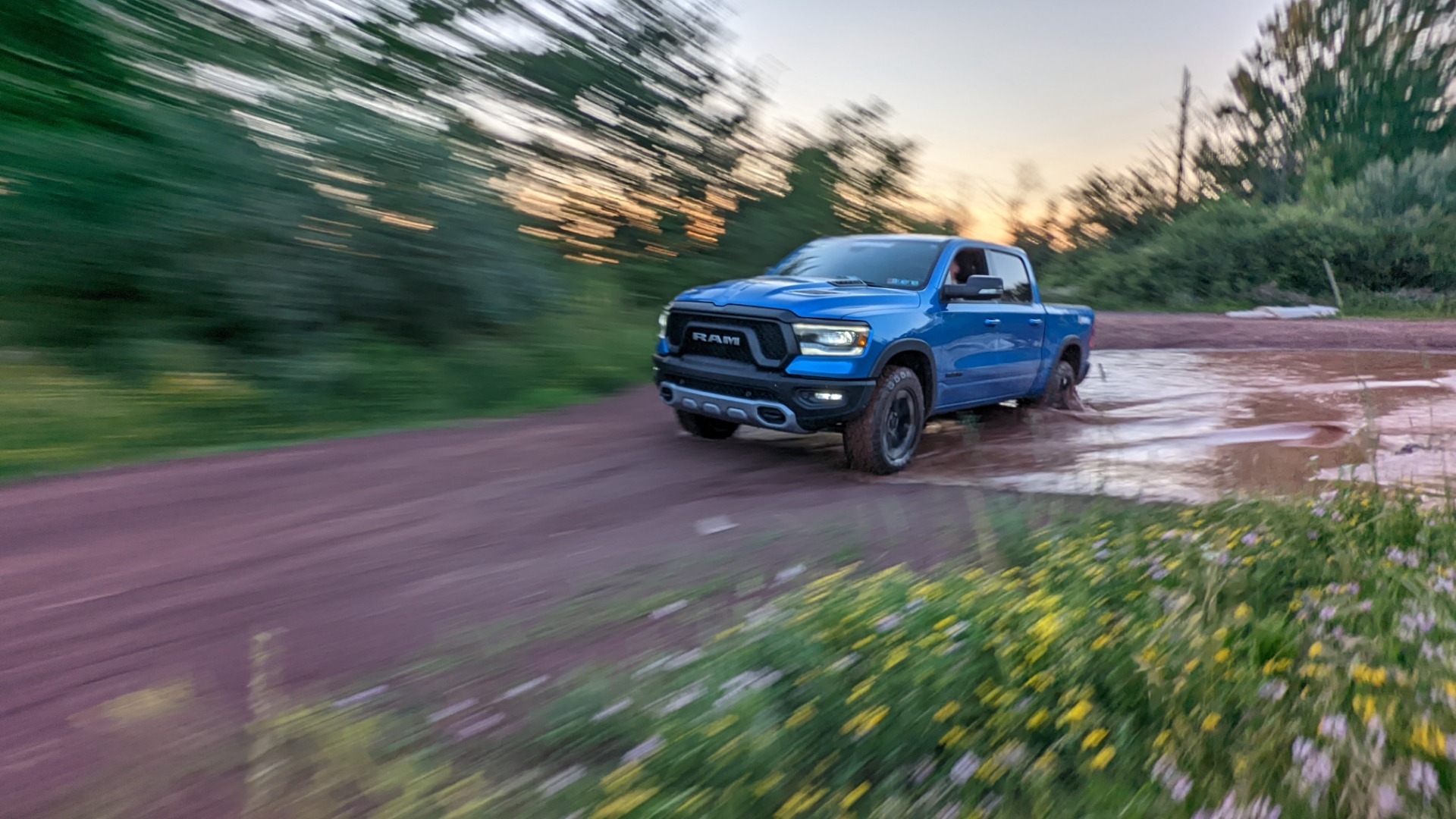
So you've got the rig, you've got the itch, and you've been scrolling trail maps at midnight. But how do you actually pick the right first trail, one that's challenging enough to be fun, but not so gnarly it leaves you stranded, broken, or embarrassed?
Choosing the wrong trail is one of the most common mistakes new off-roaders make. Go too easy, and it feels like a gravel parking lot. Go too hard, and you're calling for a tow before lunch. This guide will walk you through exactly how to match a trail to your vehicle, skill level, and goals, so your first run is one you'll want to repeat.
Understand Trail Difficulty Ratings
Not all rating systems are created equal, and different trail networks use different scales. Here's what you'll commonly encounter:
The Tread Lightly / Forest Service System
Many public land trails in the US are rated on a simple scale:
-
Easy (Green): Minimal obstacles, suitable for most stock SUVs and trucks with decent tires
-
Moderate (Blue): Some rutting, rocks, or steep grades; a lift and A/T tires are helpful
-
Difficult (Black): Significant obstacles, recommended for modified vehicles with experience
-
Most Difficult / Extreme: Serious rock crawling, lockers, and high clearance required
The 1–10 Scale (Common in Rock Crawling)
Used heavily in the Southwest and by clubs, this scale rates individual obstacles:
-
1–3: Graded dirt roads, easy gravel, nearly any vehicle
-
4–5: Rutted two-tracks, mild rock, stock trucks with A/T tires
-
6–7: Ledges, off-camber sections, moderate rock, lifted trucks, experience needed
-
8–10: Extreme technical terrain, specialized builds and expert drivers only
Rule of thumb for beginners: Stick to green/easy or blue/moderate trails, or 4–5 on the 1–10 scale. You'll have plenty of fun, learn a ton, and keep your truck intact.
Know Your Vehicle's Capabilities
Before you pull up a trail map, be honest about what your rig can do. The four factors that matter most:
Ground Clearance: How much space is between the lowest point of your vehicle and the ground? Stock trucks typically have 8–9 inches. Lifted rigs can have 12+ inches. More clearance = more options.
Approach, Departure, and Breakover Angles: These angles determine whether your front bumper, rear bumper, or frame will drag on steep climbs and drops. Short-wheelbase vehicles (like a Jeep Wrangler or smaller SUV) have a natural advantage here over long-wheelbase trucks.
Tires: All-terrain or mud-terrain tires will dramatically expand what's possible compared to highway tires. If you're still on all-seasons, stick to hardpack and gravel trails.
Drivetrain 4WD or AWD? Do you have low range (4LO)? Locking differentials? The more capable your drivetrain, the more technical terrain you can tackle. Most trails rated easy to moderate are manageable in a part-time 4WD vehicle with A/T tires.
Where to Find Trail Information
Half the work of picking a good trail is research. Here's where to look:
-
Trails Offroad (trailsoffroad.com): Crowd-sourced trail database with ratings, photos, GPS tracks, and user reviews. Excellent for vetting conditions before you go.
-
OnX Offroad: App-based trail mapping with public land overlays and detailed route data. Worth the subscription for regular explorers.
-
Local Off-Road Clubs: Nothing beats local knowledge. A quick Facebook search for "[your state] 4x4 club" will find groups whose members have run every trail in the area and are usually happy to help.
-
BLM and USFS Websites: For public land trails, the Bureau of Land Management and US Forest Service publish official OHV trail maps, seasonal closures, and permit requirements.
-
YouTube: Search the trail name. Somebody has almost certainly filmed a run, and you can preview exactly what you're getting into.
Going Solo vs. Going With a Group
First time out? Go with a group. Full stop.
Running with even one other vehicle provides a critical safety net. If you get stuck, high-centered, or have a mechanical issue, you have help on the spot, not a cell signal problem and a three-hour wait.
Look for:
-
A local off-road club run or group event (most are beginner-friendly and welcoming)
-
A friend with more trail experience who can show you the ropes
-
An organized overlanding or 4x4 event in your region
Once you're comfortable and carrying solid recovery gear, solo runs become a viable option, but there's no rush. The community side of off-roading is genuinely one of its best features.
Pre-Trail Checklist for Beginners
Before you hit the trailhead, run through this quick checklist:
-
Tires inflated? (You'll likely air down at the trailhead; know your target PSI)
-
Recovery gear loaded? (Traction boards, tow strap, shovel at minimum)
-
Full fuel tank?
-
Water and food for the group?
-
Trail downloaded offline in your map app?
-
Does someone at home know your plan and expected return time?
-
Weather checked? (Trails that are moderate in dry conditions can become dangerous in rain)
Your First Trail Run: What to Expect
Even on an easy trail, you'll encounter things that feel unfamiliar: the truck will lean, the wheels will drop into ruts, and rocks will scrape in places that make you wince. That's normal. Go slow, pick your line carefully, and remember: momentum is your friend on loose terrain, but control is your friend everywhere else.
Most importantly, have fun with it. Off-roading has a learning curve, but it's one of the most rewarding ones out there. Every trail teaches you something new about your vehicle and your own ability to read terrain.
Ready to Hit the Dirt?
The right trail starts with the right setup. If your truck isn't quite trail-ready yet, JBA Offroad can help you close the gap, whether that's a lift, a set of A/T tires, skid plates, or a full build consultation.
[Explore our off-road builds] | [Shop trail-ready parts] | [Contact us]
New to off-roading and have questions? Drop them in the comments or reach out; we've been doing this a long time and love helping people get started.