
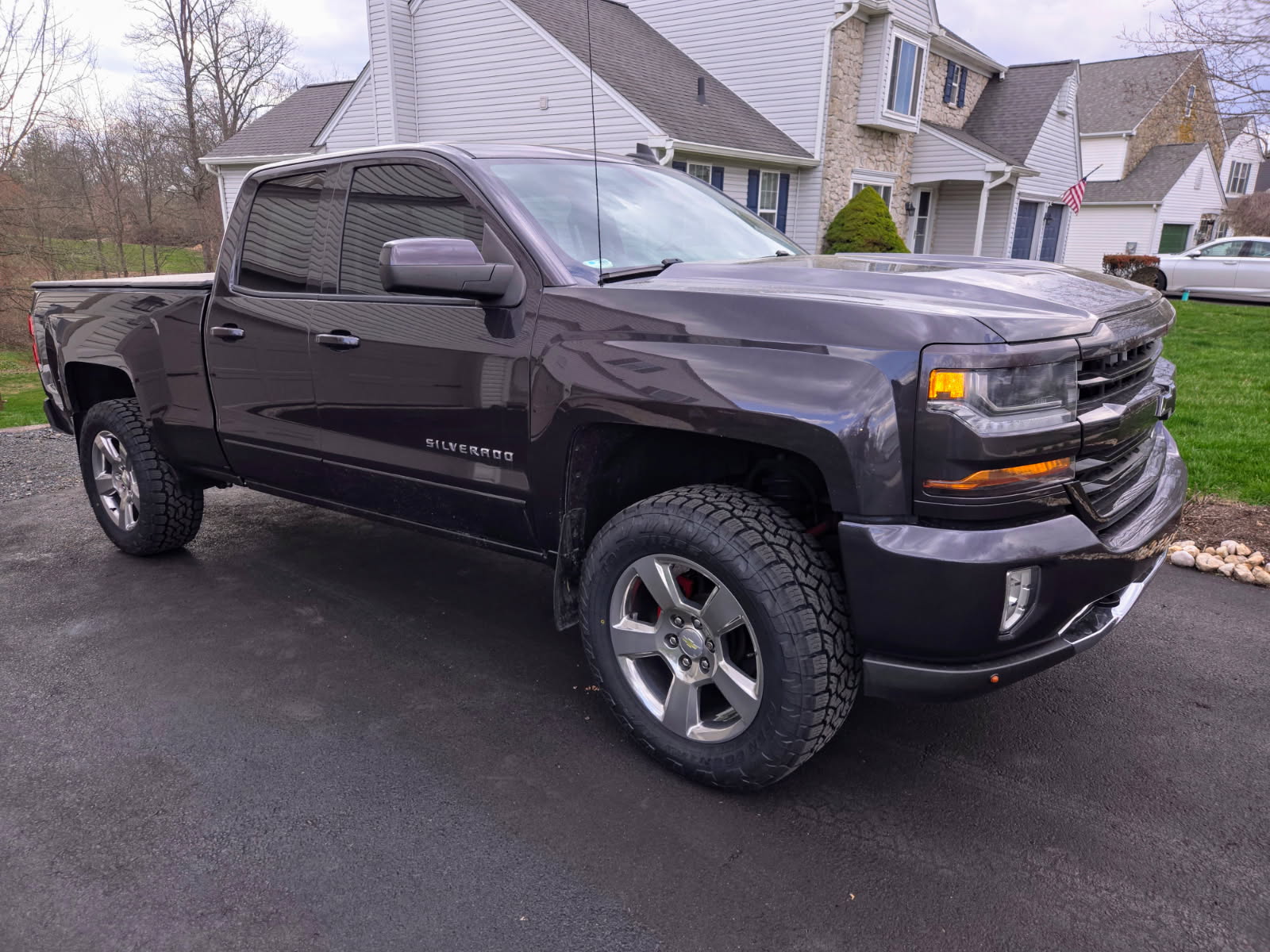
A Chevy that looks right on a lift but drives wrong on the trail usually has the same weak link - the front-end geometry was changed, but the control arms were not built to handle it. That is exactly why chevy upper control arms off road upgrades matter. Once ride height goes up, stock arms and generic replacements can run out of angle, lose travel, wear parts faster, and turn a capable truck into something that feels nervous, noisy, or harsh.
Why Chevy upper control arms off road setups matter
A lifted Chevy front suspension does not just sit higher. The relationship between the spindle, ball joint, coilover or strut, and control arm all changes together. That affects alignment, droop travel, articulation, and long-term wear.
Factory upper control arms are designed around factory ride height and factory operating angles. They do a solid job in a stock application, but off-road use adds more stress, more movement, and more abuse than they were built for. Add a leveling kit or lift kit, then throw in bigger tires, faster rebound, washboard roads, and rocky terrain, and the limits show up quickly.
That is when you start seeing the common complaints - poor caster numbers, contact at full droop, premature ball joint wear, squeaks from cheap bushings, and a front end that feels unsettled over rough ground. A true off-road upper control arm is built to correct those problems, not just replace a worn stock part.
What changes when you lift a Chevy
On most Chevy trucks and SUVs with independent front suspension, lifting the front end pushes the suspension into a different part of its travel range. The upper ball joint angle becomes more aggressive. The arm itself may sit in a less favorable position at ride height. If the design is wrong, the suspension can bind before the shock reaches full droop.
That matters because usable travel is what keeps the tire planted. A truck that tops out early or fights itself through the motion is not just less comfortable. It is less controlled. Off road, that means reduced traction and more punishment transferred into the chassis.
Alignment is another major factor. Lifted Chevys often need improved caster correction to maintain solid highway manners, especially with larger tires. A well-engineered upper control arm can help bring alignment back into a range that makes the truck track better and feel more confident at speed.
The difference between stock replacement and off-road design
Not every aftermarket arm is an upgrade. Some are basically stock-style parts with shinier finishes and louder marketing. The real difference is in geometry, material choice, joint quality, and serviceability.
A proper off-road arm is designed around lifted ride heights. That means corrected ball joint positioning, more clearance through the suspension cycle, and a shape that accounts for bigger tires and real-world articulation. If the ball joint cup, arm profile, or bushing layout is wrong, the part may bolt on easily but still create limitations where it counts.
Strength matters too, but strength alone is not enough. A heavy arm with poor geometry can still perform badly. The best designs combine structural rigidity with usable suspension motion, quiet operation, and components that can survive repeated abuse without becoming maintenance headaches.
What to look for in chevy upper control arms off road
The first thing to look at is ball joint angle and travel. If a Chevy is lifted, the ball joint needs to operate smoothly at that new ride height and through full droop. A high-angle ball joint is not marketing fluff in this application. It is one of the key differences between an arm that works on the street and one that holds up on the trail.
Next is bushing design. Cheap bushings can make a truck feel tight for a short time, then start squeaking, deflecting, or wearing out early. A better bushing setup should allow controlled movement without introducing slop or constant noise. For a daily-driven off-road truck, that balance matters. Too stiff and the ride gets harsh. Too soft and alignment stability suffers.
Serviceability is another area that separates serious parts from disposable ones. Rebuildable or serviceable wear components make more sense for trucks that actually see miles, mud, and hard use. Off-road parts should not be treated like sealed throwaways if the rest of the build is intended to last.
Clearance is also critical. Bigger tires, aftermarket wheels, and suspension travel can expose weak points fast. The arm should be shaped to avoid unnecessary interference and maintain room where the suspension needs it most.
Ball joints, bushings, and why cheap parts fail early
A lot of upper control arm failures do not happen because the arm itself bends. They happen because the wear components are the wrong quality for the load. Ball joints take repeated shock loads, especially on heavier trucks with aggressive tire setups. Bushings live in dirt, water, heat, and constant movement. If either one is undersized or poorly built, the whole system suffers.
This is where premium engineering earns its keep. A high-quality ball joint with the correct operating range can support the suspension through the angles a lift creates. A well-designed bushing system can stay quieter, last longer, and keep the front end feeling tight without needing constant attention.
That is one reason serious enthusiasts tend to move away from bargain arms after the first round. The lower purchase price usually disappears once the truck starts eating through joints, making noise, or needing replacement parts again.
Ride quality is part of performance
Some truck owners think upper control arms are only about strength or alignment. In reality, ride quality is a major part of the equation. If the arm binds, limits droop, or transmits more vibration into the chassis, the truck feels worse everywhere - on pavement, on gravel, and on rough trails.
A good Chevy off-road setup should feel controlled, not sketchy. It should stay composed when the front suspension cycles quickly. It should not clunk over every dip or feel like it is fighting itself through uneven terrain. Better arm geometry and quality wear components help the suspension move the way it was meant to move.
There is always a trade-off to consider. Some extremely aggressive builds prioritize max articulation and abuse resistance over everyday comfort. Others are built for lifted daily driving with occasional trail use. The right arm depends on how the truck is actually used, not just how it looks parked.
Fitment matters more than universal claims
Chevy platforms vary by generation, chassis, spindle design, and lift height. That means one-size-fits-all claims should raise a flag. A control arm that works well on one platform may create compromises on another.
Vehicle-specific design is the smarter path. It allows the arm to be built around the actual suspension geometry, common lift ranges, and likely tire combinations of that truck. That kind of fitment-first engineering tends to deliver better alignment results, cleaner installation, and fewer surprises after the truck is back on the ground.
This is also where purpose-built manufacturers separate themselves from generic suspension brands. Companies focused on upper control arms, including JBA Offroad, understand that details like joint angle, bushing design, and lift compatibility are not small details. They are the whole job.
When should you upgrade?
If your Chevy is staying at stock height and living an easy life, a stock-style arm may be enough. But once you add a leveling kit, suspension lift, larger tires, or regular off-road use, the upper control arm becomes a performance part.
If you are seeing uneven tire wear, poor alignment numbers, clunking over bumps, ball joint boots failing, or limited droop travel, the truck is already telling you what it needs. Waiting usually means more wear on neighboring components and less confidence every time the terrain gets rough.
An upper control arm upgrade also makes sense before problems show up if you are planning the suspension correctly from the start. Building a lifted truck in stages is common, but the front end works best when the geometry is addressed early instead of patched together later.
Buy for the long haul, not the shortest receipt
There is no shortage of flashy suspension parts online. Plenty of them look aggressive in photos. That does not mean they are built for a lifted Chevy that sees real off-road miles. The smart buy is the arm that gives you corrected geometry, real travel, durable wear components, and serviceable design you can trust after the first season of use.
That kind of part usually costs more than the bargain-bin option. It also tends to save money, downtime, and frustration over the life of the truck. On a Chevy that gets used the way a truck should, the upper control arm is not a cosmetic add-on. It is one of the pieces that decides whether the front suspension works with you or against you.
Build the front end once, build it right, and your Chevy will feel the difference every time the trail gets rough.