
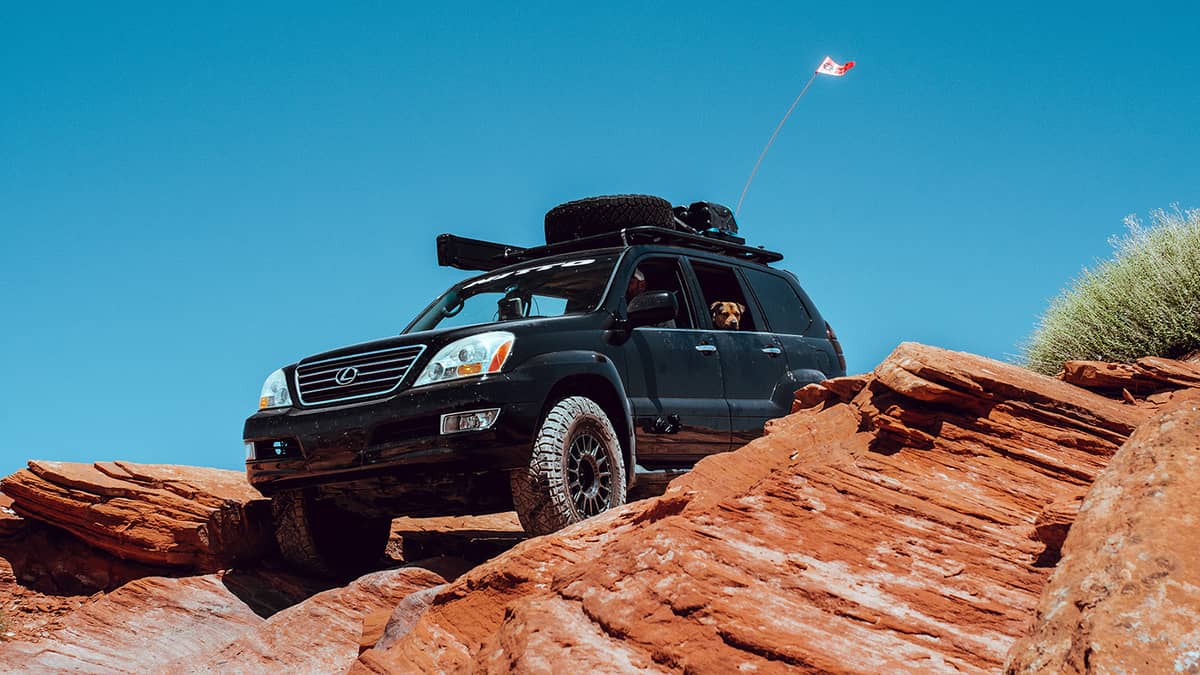
Overlanding suspension must support weight, improve durability, and deliver control across unpredictable terrain while maintaining comfort. Many lifted SUV and truck setups focus on appearance or height, but overlanding demands more. When your vehicle carries added equipment, fuel, and recovery gear, the suspension becomes the foundation of performance and safety.
Learn how to select the right components, such as upper control arms, load-bearing suspension upgrades, and supporting hardware, to improve off-road stability and lifted SUV performance. Whether upgrading your first build or refining your next adventure-ready setup, these tips can help ensure you stay confident wherever the road leads.
Why Overlanding Suspension Is Different
Trail rigs typically face steep climbs, rock ledges, and deep ruts. While overlanders face the same challenges, they do it over hundreds or thousands of miles while fully loaded. That means:
-
Increased vehicle weight from racks, tents, armor, tools, and water over longer durations
-
Long-distance durability is key, rather than one-day trail bursts
-
Predictable handling on pavement between remote routes is vital
-
Comfortable control is essential to reduce driver fatigue
A setup that flexes well on a rock garden may sag, wander, or bottom out with real-world overland weight. Prioritizing strength and stability keeps your rig prepared for every road surface.
Start With Components Designed for Added Weight
Overlanding builds often exceed factory payload expectations, making load-bearing suspension essential. Let's explore some key components and their benefits.
Springs and Shocks Built for Payload
Standard lift kits can raise the height without increasing support. Choose springs tuned for additional load so handling stays consistent when fully packed.
Benefits:
-
Maintains ride height under added cargo
-
Improves braking and steering consistency
-
Reduces bottom-out and sway on uneven surfaces
Dampers Designed for Mixed Terrain
A quality shock delivers control both on the highway and the trail. The right valving and travel keep the vehicle stable through washboard roads, sharp dips, and rough tracks.
Benefits:
-
Better energy management over repetitive bumps
-
Increased traction through controlled wheel contact
-
Less body roll with rooftop tents and high-mount cargo
Upper Control Arms: A Critical Upgrade for Lifted SUVs and Trucks
Lifting a vehicle changes suspension geometry. As a result, factory upper control arms (UCAs) often reach alignment limits and restrict wheel travel. Upgrading to high-strength UCAs solves both issues by:
-
Correcting alignment for less tire wear and better highway handling
-
Increasing caster to restore directional stability at highway speeds under load
-
Boosting droop travel for better traction on uneven terrain
-
Preventing ball joint binding at lifted heights
Real-World Impact for Overlanders
UCAs elevate both safety and capability. Better alignment control means less wandering on long drives, more droop means tires stay planted when descending rutted backroads, and better articulation means fewer surprises when navigating deep washes.
Off-Road Stability: The Foundation of Confidence
When your vehicle is carrying heavy equipment and family members, stability isn't optional. Suspension components that improve control provide:
-
Steering precision when navigating loose gravel
-
Predictable weight transfer when braking downhill
-
Secure traction during off-camber sections
-
Reduced driver strain on long routes
Suspension tuned for stability gives you confidence that your build can handle the unexpected.
Additional Components That Matter for Overlanding
A capable setup is more than a single upgrade. Consider supporting parts that reinforce durability and longevity, including:
-
Reinforced ball joints: Overbuilt joints maintain articulation under stress to prevent premature wear.
-
Control arm bracing and hardware: Added rigidity helps maintain geometry in tough conditions.
-
Bushings and mounts: High-quality bushings improve compliance and reduce noise without sacrificing strength.
-
Sway bar solutions: Adjustable systems let you balance agility on the road with articulation off-road.
Together, these upgrades deliver suspension that holds alignment and capability for years, not just the first season.
Match Your Suspension Setup to Your Adventure Style
Before buying parts, consider how you'll use your vehicle the most.
|
Overlanding Style |
Primary Need |
Ideal Solution |
|
Long distance on mixed roads |
Comfort and stability |
Payload-tuned springs, upgraded shocks |
|
Technical remote routes |
Traction and articulation |
Increased droop |
|
Fully armored and loaded |
Payload support |
Heavy-duty coils, reinforced joints |
|
Daily driver plus weekend travel |
Balanced performance |
Versatile shocks and quality UCAs, high-caster UCAs |
Every vehicle build has different requirements. Choosing components designed for real-world adventure protects your investment and your safety.
Why Quality Matters: Durability You Can Trust
Few things ruin a trip faster than suspension failure. Strong materials, reliable ball joints, and proven engineering let you focus on the journey rather than the bumps on the trail.
Look for components that are:
-
Trail-tested and daily-driver approved
-
Built to withstand corrosion, fatigue, and impact
-
Designed specifically for your vehicle platform
-
Supported by clear fitment and service guidance
Build It Right the First Time
A well-selected overlanding suspension ensures your lifted SUV or truck is ready for adventure. Whether you're gearing up for a weekend in the mountains or driving through harsh terrain, a suspension system designed for overlanding keeps you traveling farther with confidence.