
Winter roads can be tough on suspension systems. Plummeting temperatures and potholes put added stress on components, while road salt can accelerate wear. As spring approaches and trail use increases, winter wear can expose underlying issues. A trail-ready suspension starts with evaluating how your system handled winter conditions and whether alignment and geometry need adjustment.
Off-Road Suspension Inspection Before Trail Season
When it comes to trail season, it's critical that your vehicle's various parts are in top-notch shape. JBA Offroad designs suspension components engineered for real-world trails. That being said, even the most durable components face added stress during winter.Â
Freezing temperatures stiffen bushings, moisture leads to corrosion, and road salt speeds
Suspension Geometry Correction for Lifted Vehicles
Lifting a vehicle improves ground clearance and trail capability, but it also changes how the suspension works. When suspension angles change, alignment alone can only compensate so much. Without proper suspension geometry correction, lifted vehicles may feel unstable at highway speeds, resist returning to center after turns, or wear components faster
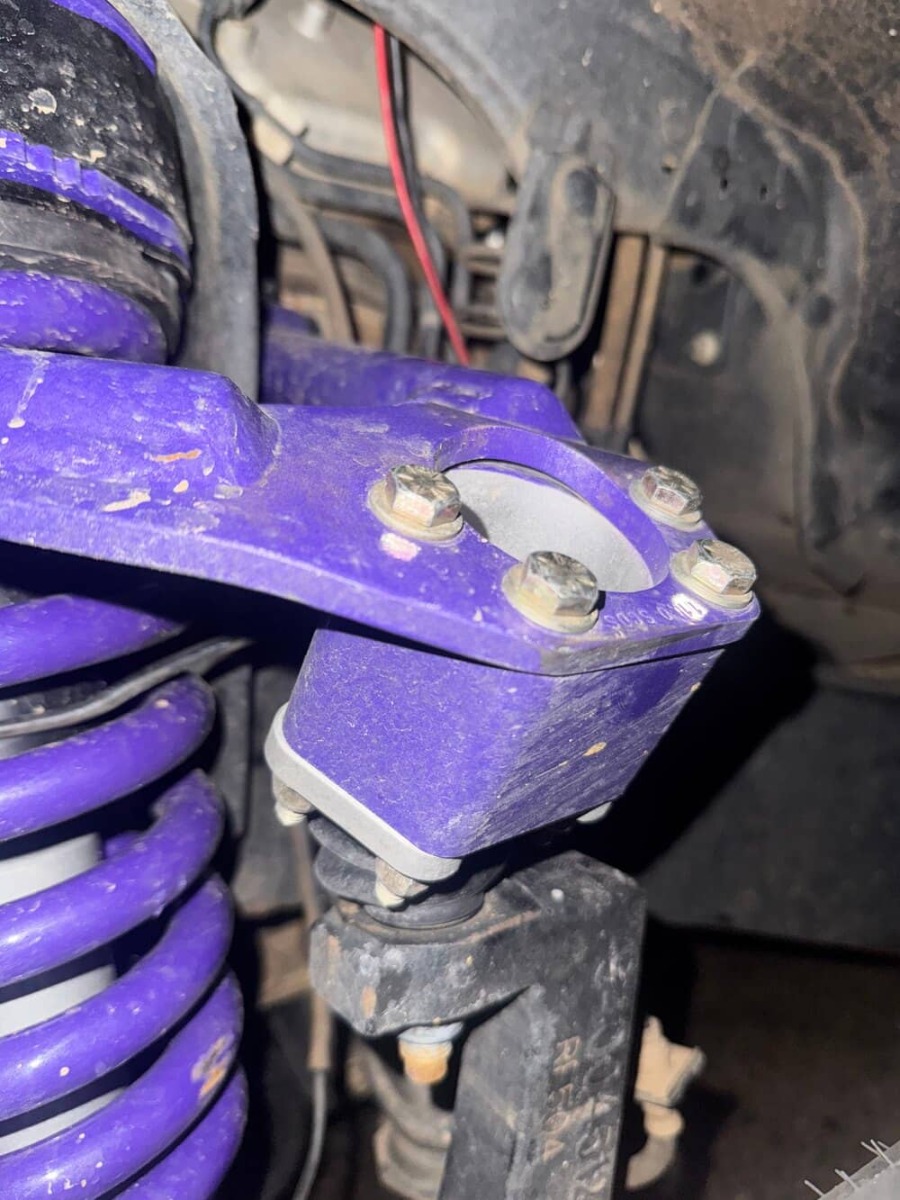
Good off-road suspension design relies on solid engineering, not fancy marketing. Suspension engineering significantly impacts your build's on- and off-road capabilities, with well-designed parts enabling you to tackle even the harshest surfaces. Your vehicle's upper control arms are particularly crucial. This component determines your suspension geometry, affecting everything from steering control
When you invest in a lifted vehicle, you’re committing to more than looks alone. Suspension components directly affect handling, alignment, safety, and long-term reliability—deciding on parts is far more than an aesthetic choice.
That’s why choosing durable off-road suspension is about what holds up after thousands of miles on pavement and trail. The right parts protect your build and your confidence
Off-road suspension design matters far more than marketing claims or flashy specs. When you’re navigating uneven terrain, climbing ledges, or driving hundreds of highway miles to reach the trailhead, confidence comes from engineering you can trust. That’s why components like properly designed Upper Control Arms (UCAs) play such a critical role.Â
The foundation of suspension performance starts with
An off-road suspension inspection before trail season isn’t wasting time before heading off-road; it’s cheap(er) insurance and priceless peace of mind. Hard miles, added weight, and uneven terrain slowly wear out parts long before something dramatically fails. Catching issues early saves time, protects expensive components, keeps your rig driving straight on the highway, and maintains predictability
Off-road season puts stress on every suspension component. Small issues that go unnoticed on pavement, like loose hardware, worn joints, and poor alignment, can quickly become trail-ending problems once articulation, load, and terrain come into play. A little preparation now helps ensure trail-ready suspension, with fewer surprises later and more confidence every time you go off-track.
In keeping with the spirit of Valentine’s Day, choosing off-road suspension parts isn’t just another upgrade decision; it’s a commitment. Like a healthy relationship, good components support your vehicle every mile. Whether you’re navigating washboard roads, climbing rocky trails, or commuting during the week, you need dependability. When upper control arms fail, the consequences aren’t cosmetic. They
Confidence on the trail doesn’t come from guessing. It comes from understanding how your suspension works. Off-road suspension performance results from intentional design, proper tuning, and component choices that work together in the real world. When a driver understands why their vehicle reacts the way it does, they drive more smoothly, more safely, and with more control. That’s why education matters